Five Reasons FREITAG Epitomizes the Future of Retail
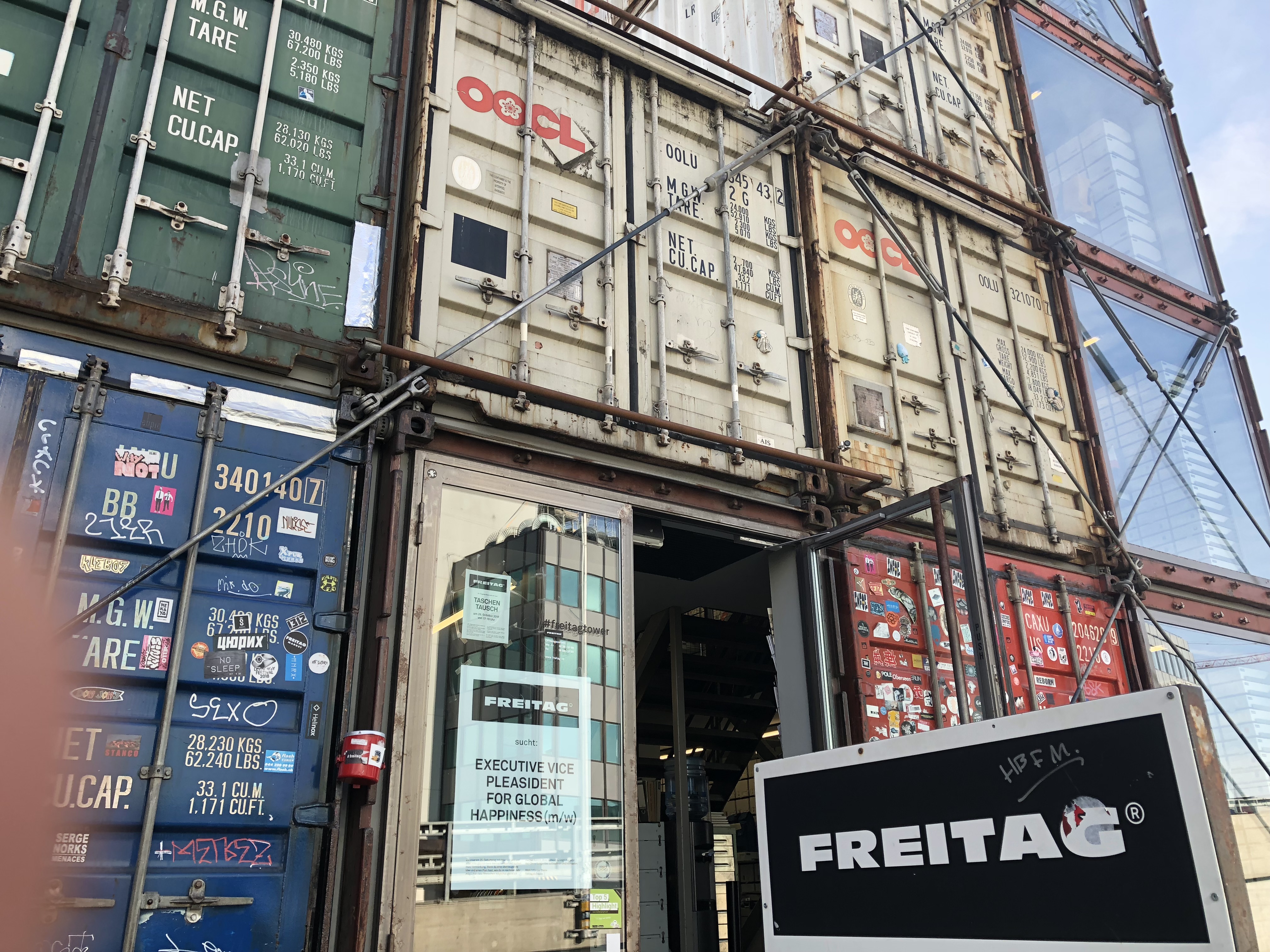
Retail inspiration can be found in every corner of the world and for this blog post we visit Switzerland. FREITAG is the quiet Zurich based fashion accessory brand selling over 300,000 of its unique products across the globe every year.
"In 1993 graphic designers Markus and Daniel Freitag were looking for a functional, water-repellent and robust bag to hold their creative work. Inspired by the multicolored heavy traffic that rumbled through the Zurich transit intersection in front of their flat, they developed a messenger bag from used truck tarpaulins, discarded bicycle inner tubes and recycled car seat belts.” Their first core product became a designer bag with a conscience.
The Internet, mobile and social media have forever transformed the distribution of viral messaging. No longer the best kept secret, at the center of successful communication is the medium of video.
82% of Twitter users watch video content on Twitter. More than 500 million hours of videos are watched on YouTube each day. Ten million videos are watched on Snapchat per day. Over 500 million (half a BILLION) people are watching video on Facebook every day. The Top 10 YouTube stars of 2017 generated over $110 million in personal pre-tax income. Every second, a million minutes (17,000 hours) of video content will cross global IP networks by 2021.
Having a passion for powerful visual communications, weekly through my personal website I share one to three new videos. As we enter the fourth quarter, it is time to showcase my 2018 top five amazing innovation leadership videos.
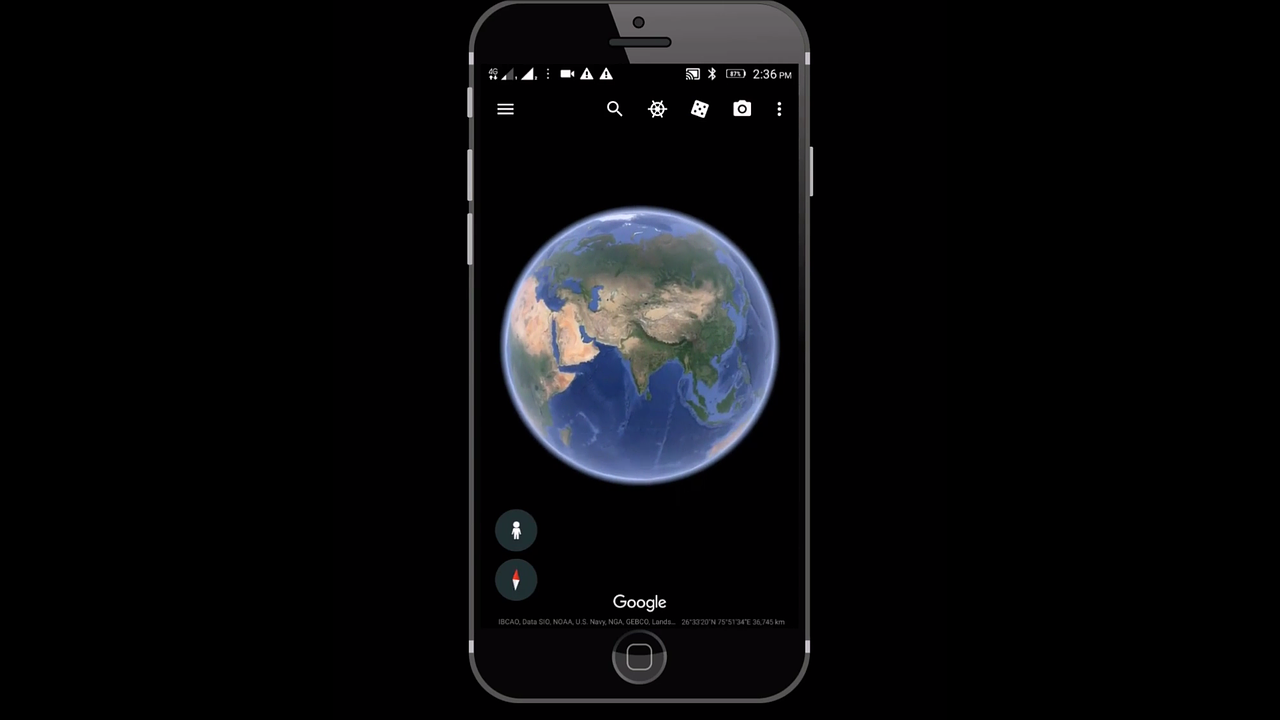
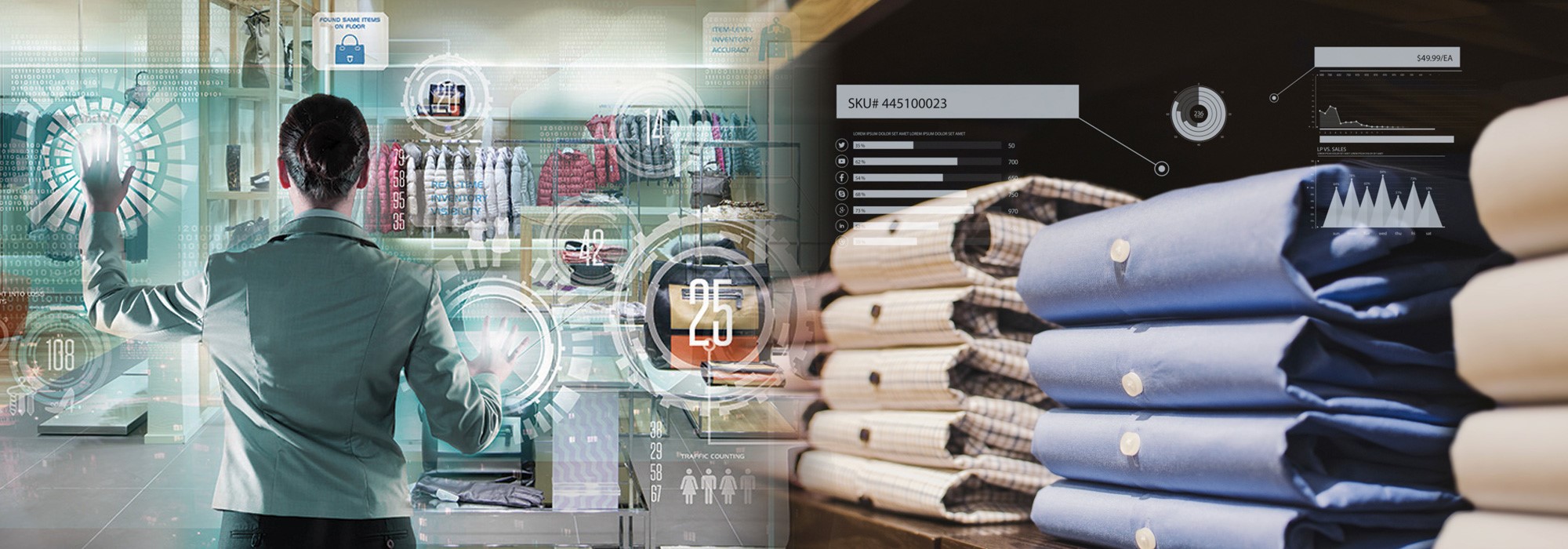
Frictionless secure commerce coupled with immersive customer experiences have been on my mind for some time. Engaging with an in-store geolocation security company and new updated data on internet connectivity, growth of smartphones, and the Internet of Things (IoT) inspired this post.
Future consumer in-store interactions will include autonomous digital conversations with physical products. As discussed in a previous post, increased digital interactions will create brand ambassadors of both consumers and store associates.
For those individuals focused on securing commerce, that same digital exchange will lead to innovative applications such as geolocation solutions that will dramatically reduce retail crime. As an example, the geolocation security company mentioned above has so far in 2018 taken nearly 600 criminals off USA streets and led to the recovery of over $5 million of in-store physical assets.
Several weeks ago I had the pleasure of being the moderator and Master of Ceremonies for a Tyco Retail Performance Council in Silicon Valley, California. Seven loss prevention retail executives representing roughly $600 billion in industry revenue joined the Tyco Retail Senior Leadership Team in a two day innovation deep dive.
The Power Agenda
Day one consisted of hands-on immersion into innovation, technology trends, new ideas and solutions through the eyes of venture capitalists, futurists, start-up companies, academia, and industry experts. First stop of the innovation tour was the offices of Andreessen Horowitz (known as "a16z"). To date, a16z has raised $7.1B, across seven funds.
Opening the a16z session was futurist Benedict Evans who spoke to "the state of tech today and what's likely to happen in the next decade: mobile, Google / Apple / Facebook / Amazon (GAFA), innovation, machine learning, autonomous cars, mixed reality and crypto-currencies."
Check out this variation of Benedict's presentation "10 Year Futures (vs. What's Happening Now).
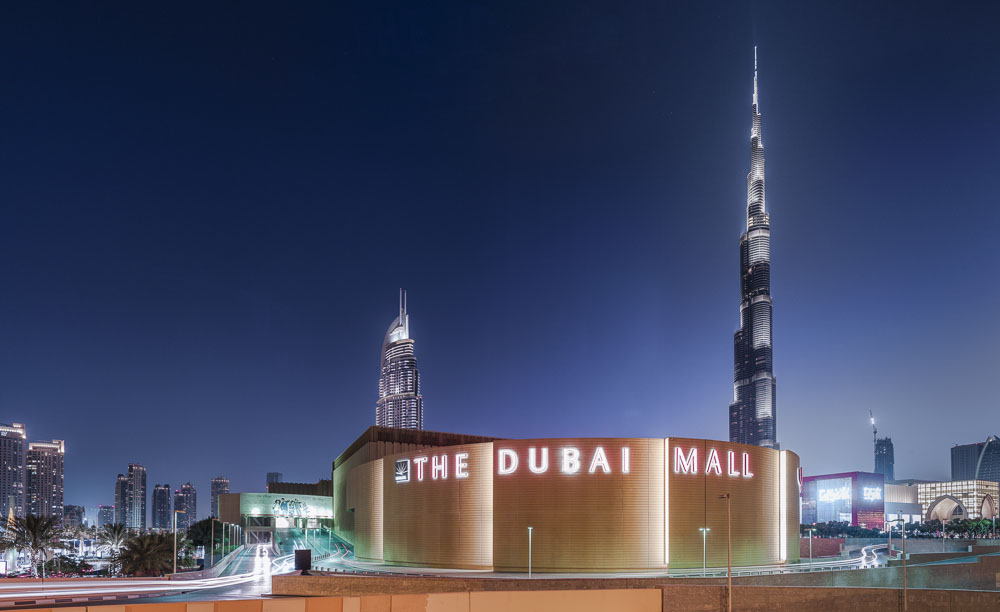
Welcome to Dubai or as CBRE calls it, the key stepping stone for international brands entering the Middle East. Over the next three years, more than 1.5 million square meters of new retail space could be delivered to the Dubai market, adding roughly 50% to existing inventory.
Being on the Board of Advisors for the upcoming Dubai Smart Stores Expo and having personally experienced the vibrancy of Middle East on multiple occasions, it is time to revisit this region and explore its global retail possibilities.
Retail is not dying. Today's consumers are being presented by an increasing number of shopping options. Online versus in-store engagement trends are converging and technology is increasingly the differentiating element.
A recent IHL research study titled "Out-of-Stock, Out of Luck - How Retailers Alienate Customers and Lose Billions Due to Poor Inventory Practices" prompted this relook at retail RFID. The top answers as to why consumers still prefer to shop in-stores include: want / need the product immediately, desire to touch and feel the item (try it on), don't want to pay expedited delivery charges, support local retailers, and convenience / easier than online.
Fast checkouts and products being in-stock are the two most relevant components of positive instore experiences.
Future of Retail with the Top 5 Apparel, Luxury, and Technology Brands
Being a firm believer that branding is a critical component to the future success of all companies, every year I look forward to the latest edition of the BrandZ Top 100 global brands report. Disruption, disintermediation, and differentiation are the three words that stood out in the nearly 300-page 2018 edition.
2018 Global Top 100 Brands Highlights
With an increase of 21% in 2018, the BrandZ global top 100 brands added a record $748 billion, to reach $4.4 trillion in total value, an increase of $2.9 trillion since 2006. 2018 set a record as the largest one-year value increase in the 12 years publishing the global report.
Every industry category had an increase with retail rising the most and for the second consecutive year in a row. The brand value of the retail sector rose 34% as e-commerce brands spiked in value and the category adjusted to disruption.
With the USA NRF Loss Prevention Trade Event taking place this week, it is time to revisit the new Sensormatic Global Retail Shrink Index published earlier this year. Covering 14 countries representing 73% of global GDP and 80% of global retail sales, it is the authoritative document on worldwide loss prevention trends.
In 2017-2018, the cost of retail shrinkage was $99.56 billion for the countries surveyed. This post focuses on my two favorite charts from the entire study.
Highest Shrink Rates Across Verticals and Countries 2017-2018
"There is no end. There is no beginning. There is only the infinite passion for life." - Federico Fellini
Officially I announced my early retirement from Sensormatic / Tyco / Johnson Controls on social media last week. Culminating an amazing 25+ year career, this life changing event was nearly a decade ahead of my long-term plans.
Continuous learning in building a personal brand has opened some interesting new possibilities. The foundation of this post are the comments that I shared with the Tyco retail team at my farewell celebration where I answered four simple questions.
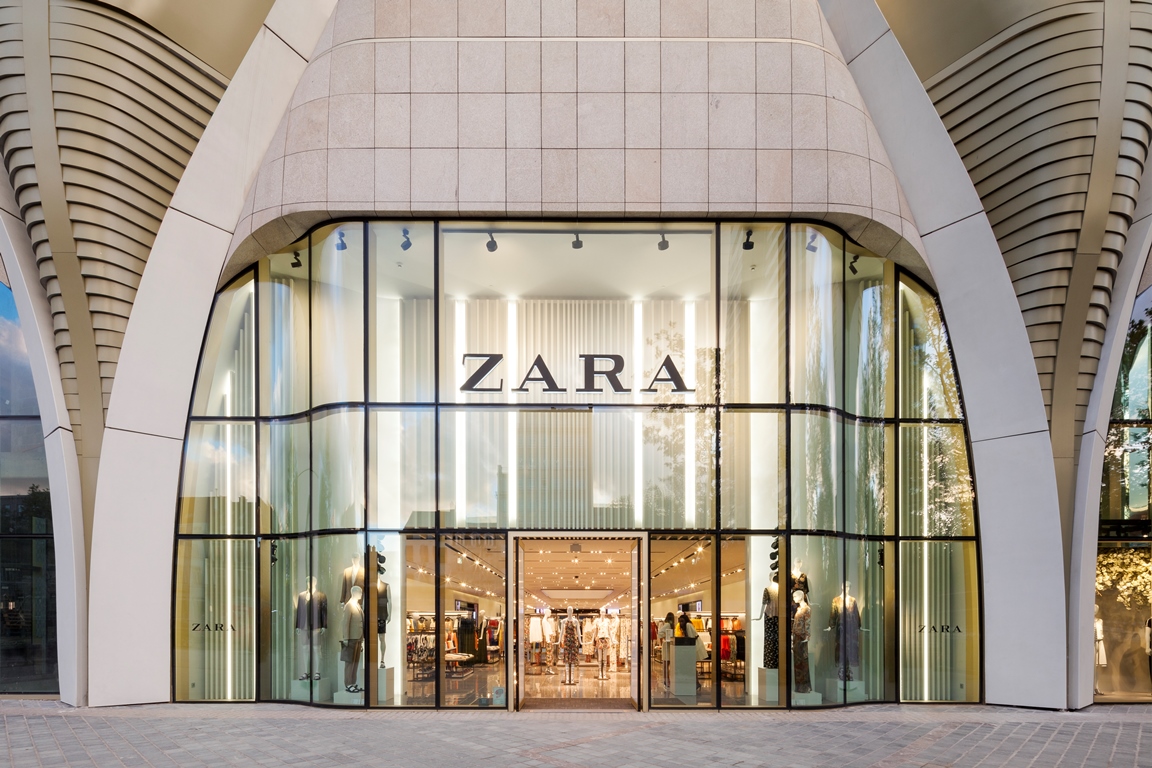
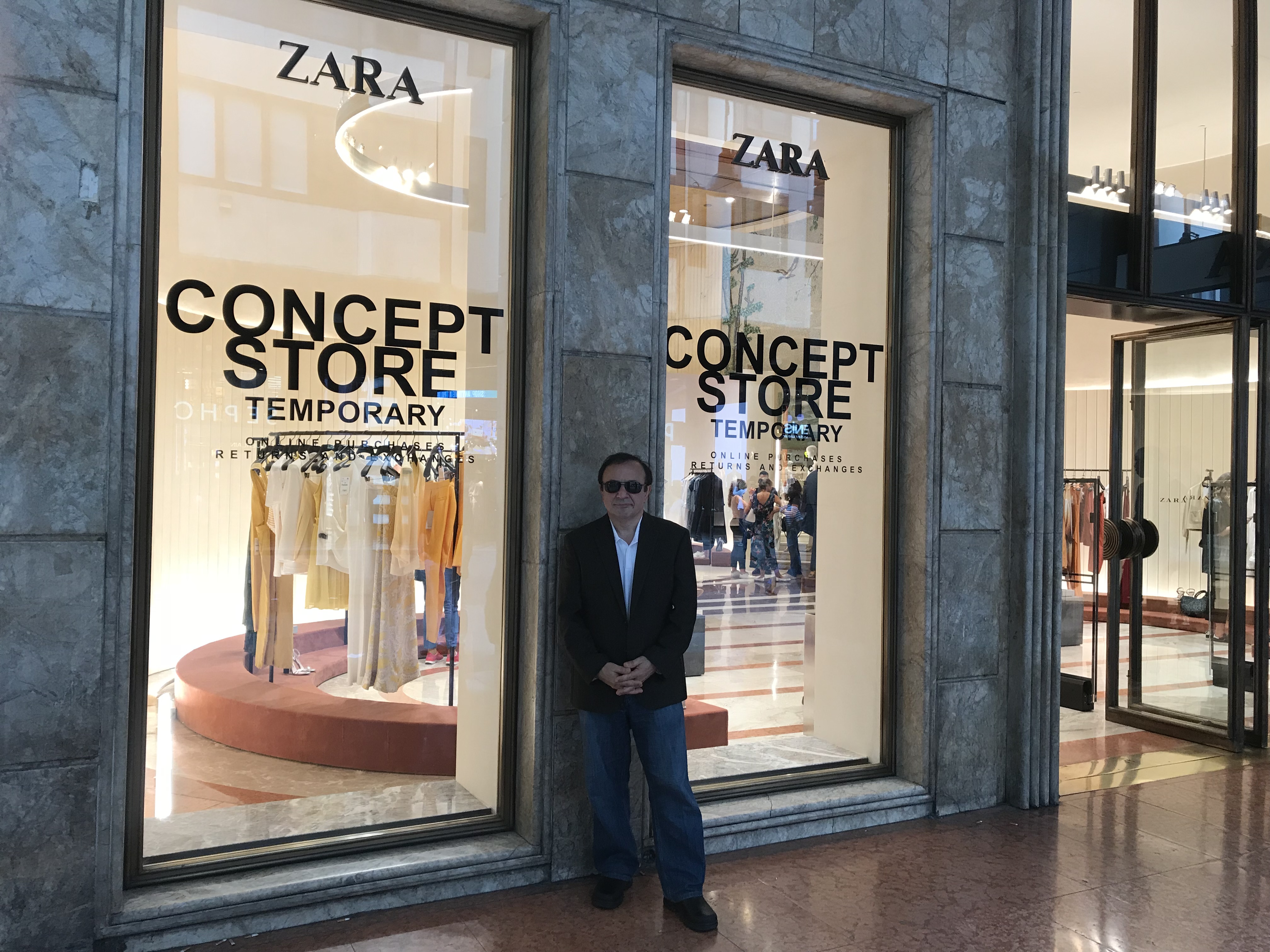
This past week had the pleasure of visiting the new Zara Concept Store in Milan, Italy. Located near to the Galleria Vittorio Emanuele II, one of the oldest retail malls in the world, this Inditex owned location is the perfect bridge to the future of retail.
What do you do when you decide that a major flagship location in the fashion capital of the world needs a physical upgrade? If you are Zara, you close the majority of the store and leverage the elegant entrance to test a new retail concept.
Walking through the entryway you can very quickly visualize the intersection of online and the physical retail store. Uncluttered physical clothing racks are overshadowed by a large digital screen displaying the latest fashions. Simplicity meets digital innovation.
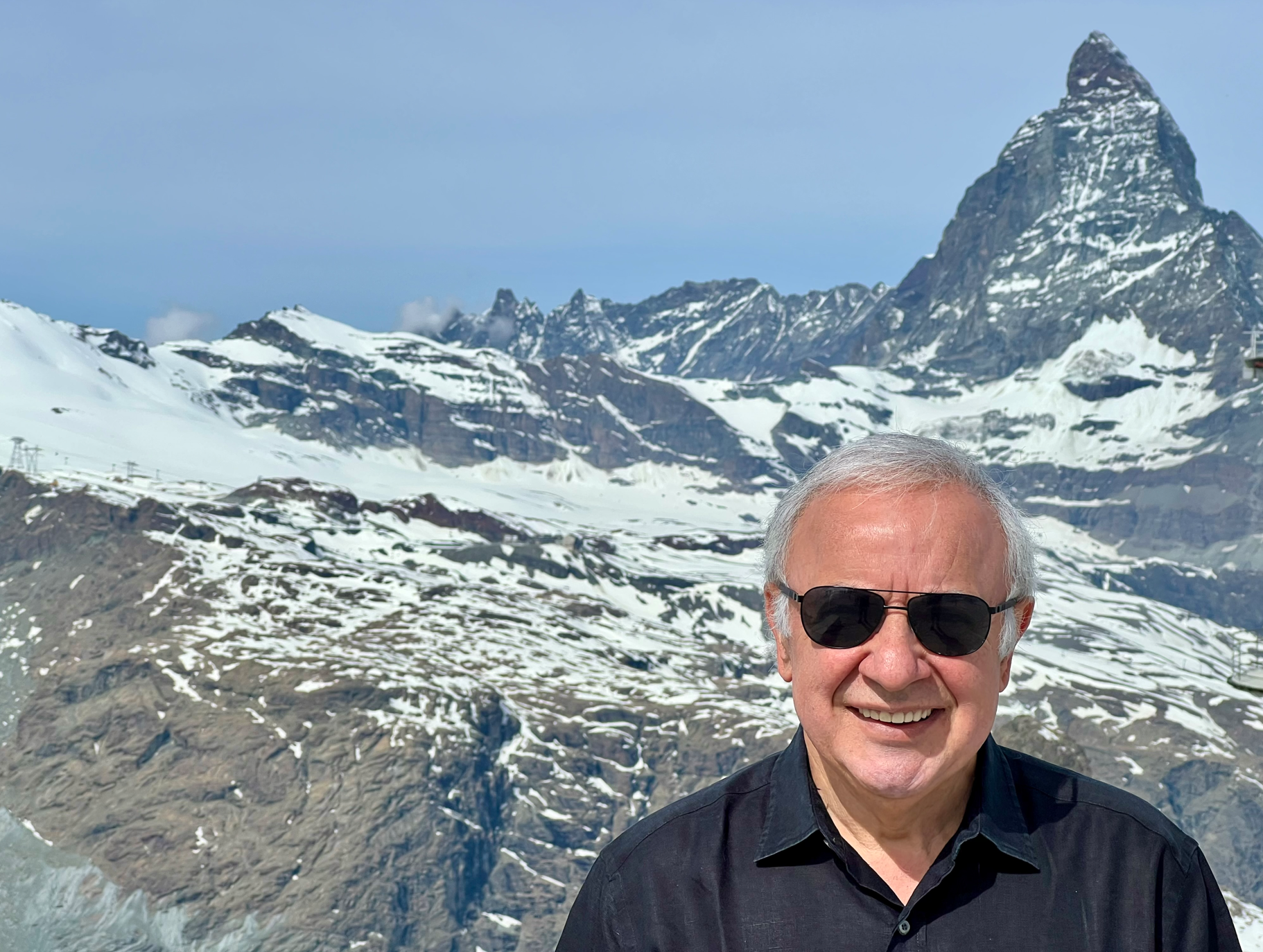
Continuing the journey to learn something new, we explore the Matterhorn in Zermatt Switzerland. Believed to be 50 to 60 million years old, this world-famous mountain was formed when the African crashed into the European tectonic plate.
The Matterhorn, in Italian known as Monte Cervino and French as Mont Cervin, is the 10th highest mountain in Switzerland at 14,692 feet (4,478 meters). The summit was first reached on July 14, 1865 by a team led by Edward Whymper. During the descent, four members of the team fell to their death. The Matterhorn is one of the most dangerous mountains to climb in the Alps with over 500 deaths to date.
The Matterhorn first appeared on the famous Toblerone chocolate in 1960. Look closely at the mountain on the packaging and you will see a bear. This is a reference to the city of Bern, where Theodor Tobler first invented the chocolate bar.
The town of Zermatt at the base of the Matterhorn bans cars to preserve the Alpine environment. The Theodul glacier which you can access from Zermatt is located at 3883 meters (12,740 feet) and offers the highest elevation ski area in Europe.
Being in nature is my go-to motivational escape to clear my mind and prioritize life priorities. Mountains are an amazing inspirational mental canvas because their massive scale makes everything around you, including your worries, feel small. The raw beauty and quiet wilderness provide perspective.
Find your special natural wonder. Enjoy its beauty. Remember that you are here for a short time, and what is around you will live on. Take chances. Setbacks are miniscule, compared to the possibilities of reaching your peak life nirvana. In the lyrics from the Sound of Music, "climb every mountain, ford every stream, follow every rainbow, 'till you find your dream"
Confidence in physical retail remains solid this year. More than 55% of survey respondents said they feel confident or very confident about brick-and-mortar performance in 2026, while only around 20% expressed concern. - From Place AI Read more
The Number 1 country continued lead reinforces a broader trend: countries with strong institutions, high trust, and robust social safety nets consistently rank highest in life satisfaction. - From Visual Capitalist

 Frictionless secure commerce coupled with immersive customer experiences have been on my mind for some time. Engaging with an in-store geolocation security company and new updated data on internet connectivity, growth of smartphones, and the Internet of Things (IoT) inspired this post.

 This past week had the pleasure of visiting the new Zara Concept Store in Milan, Italy. Located near to the Galleria Vittorio Emanuele II, one of the