Future of Retail with the Top 5 Apparel, Luxury, and Technology Brands
Being a firm believer that branding is a critical component to the future success of all companies, every year I look forward to the latest edition of the BrandZ Top 100 global brands report. Disruption, disintermediation, and differentiation are the three words that stood out in the nearly 300-page 2018 edition.
2018 Global Top 100 Brands Highlights
With an increase of 21% in 2018, the BrandZ global top 100 brands added a record $748 billion, to reach $4.4 trillion in total value, an increase of $2.9 trillion since 2006. 2018 set a record as the largest one-year value increase in the 12 years publishing the global report.
Every industry category had an increase with retail rising the most and for the second consecutive year in a row. The brand value of the retail sector rose 34% as e-commerce brands spiked in value and the category adjusted to disruption.
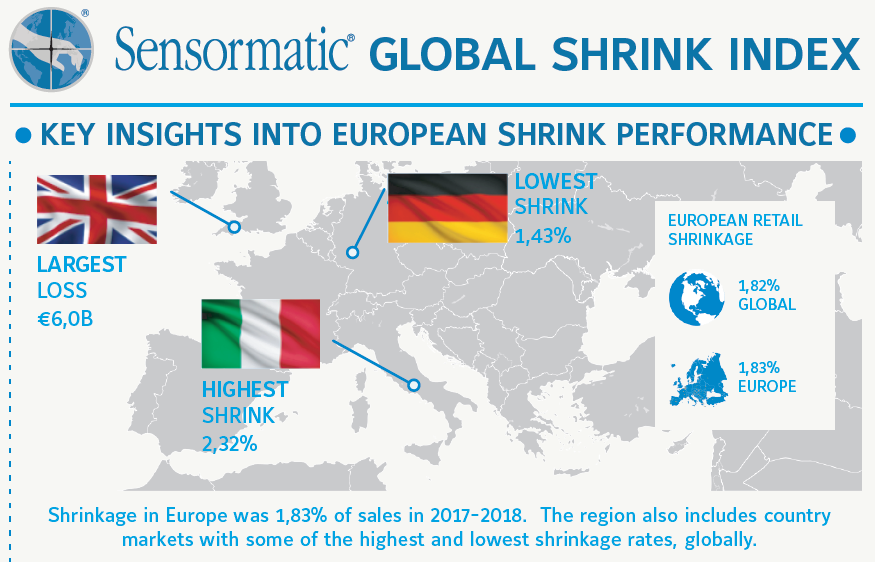
With the USA NRF Loss Prevention Trade Event taking place this week, it is time to revisit the new Sensormatic Global Retail Shrink Index published earlier this year. Covering 14 countries representing 73% of global GDP and 80% of global retail sales, it is the authoritative document on worldwide loss prevention trends.
In 2017-2018, the cost of retail shrinkage was $99.56 billion for the countries surveyed. This post focuses on my two favorite charts from the entire study.
Highest Shrink Rates Across Verticals and Countries 2017-2018
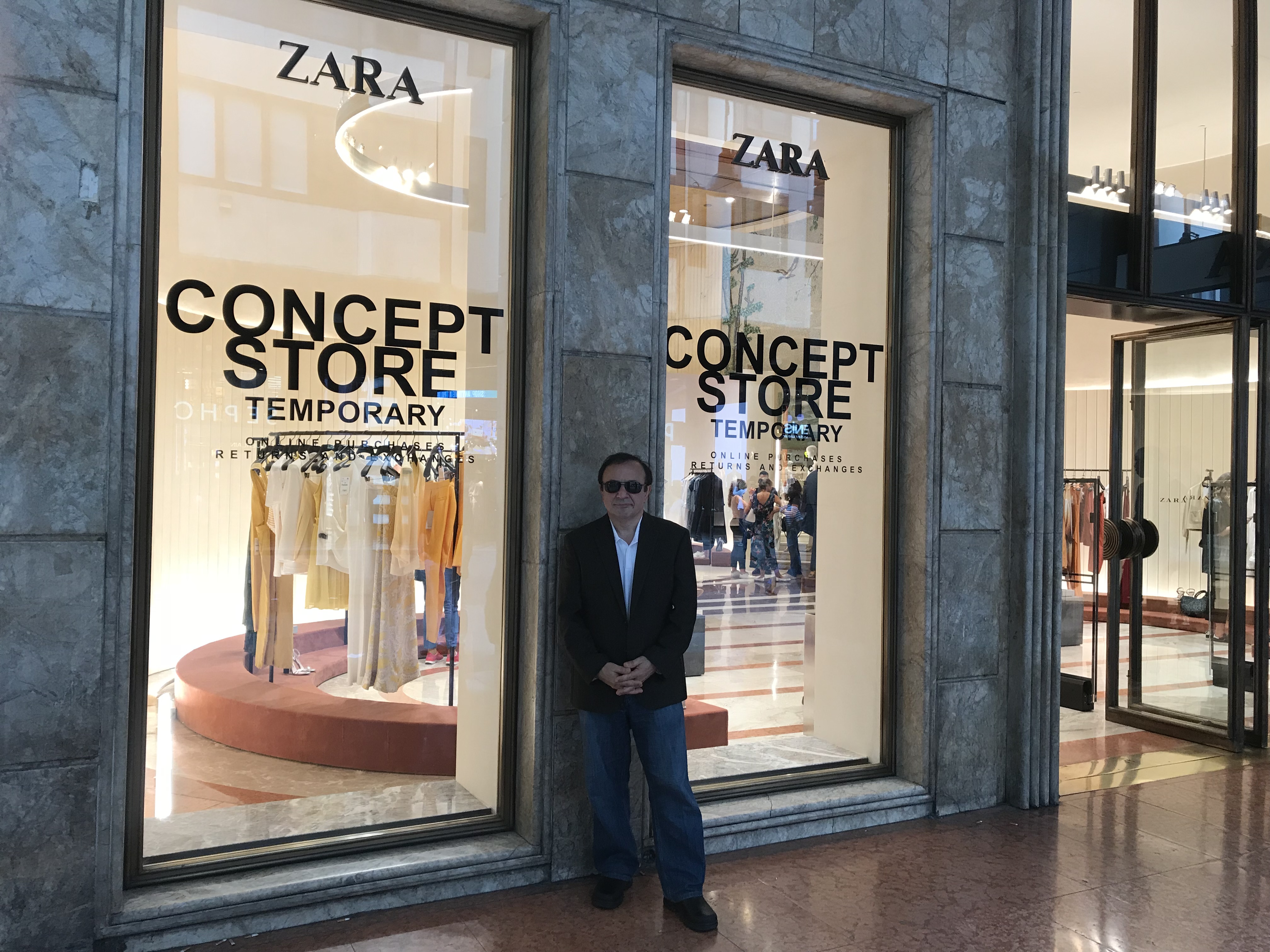
This past week had the pleasure of visiting the new Zara Concept Store in Milan, Italy. Located near to the Galleria Vittorio Emanuele II, one of the oldest retail malls in the world, this Inditex owned location is the perfect bridge to the future of retail.
What do you do when you decide that a major flagship location in the fashion capital of the world needs a physical upgrade? If you are Zara, you close the majority of the store and leverage the elegant entrance to test a new retail concept.
Walking through the entryway you can very quickly visualize the intersection of online and the physical retail store. Uncluttered physical clothing racks are overshadowed by a large digital screen displaying the latest fashions. Simplicity meets digital innovation.
Customer First Cashierless Shopping and Self-Checkout Theft
The announcement of Amazon Go in December 2016 sparked the Western imagination on the potential of frictionless cashierless shopping. Roughly 18 months later, we are still on the road to the fully autonomous retail store.
This post summarizes the opportunities and challenges of this global innovation journey. Primary focus is on the state of self-checkout, mobile scan-and-go adoption, and an update on global autonomous store deployments.
Coming soon, the new Sensormatic Global Shrink Index. The most comprehensive shrink survey to date from countries representing 73% of global GDP and 80% of global retail sales.
First is the sample infographic shared last week focusing on Europe. Second, for the global audience, below is an additional peek at the data. More in April.
Not too long ago, many including myself were forecasting major consumer changes for the year 2020. That magical year is just around the corner and it is now time to simplify the digital future of retail.
Big Data is Bot Food for AI
Information or more specifically data has been the power engine evolving the retail industry. For much of its history, the store, the forefront of the consumer moment of truth, was under-sensored.
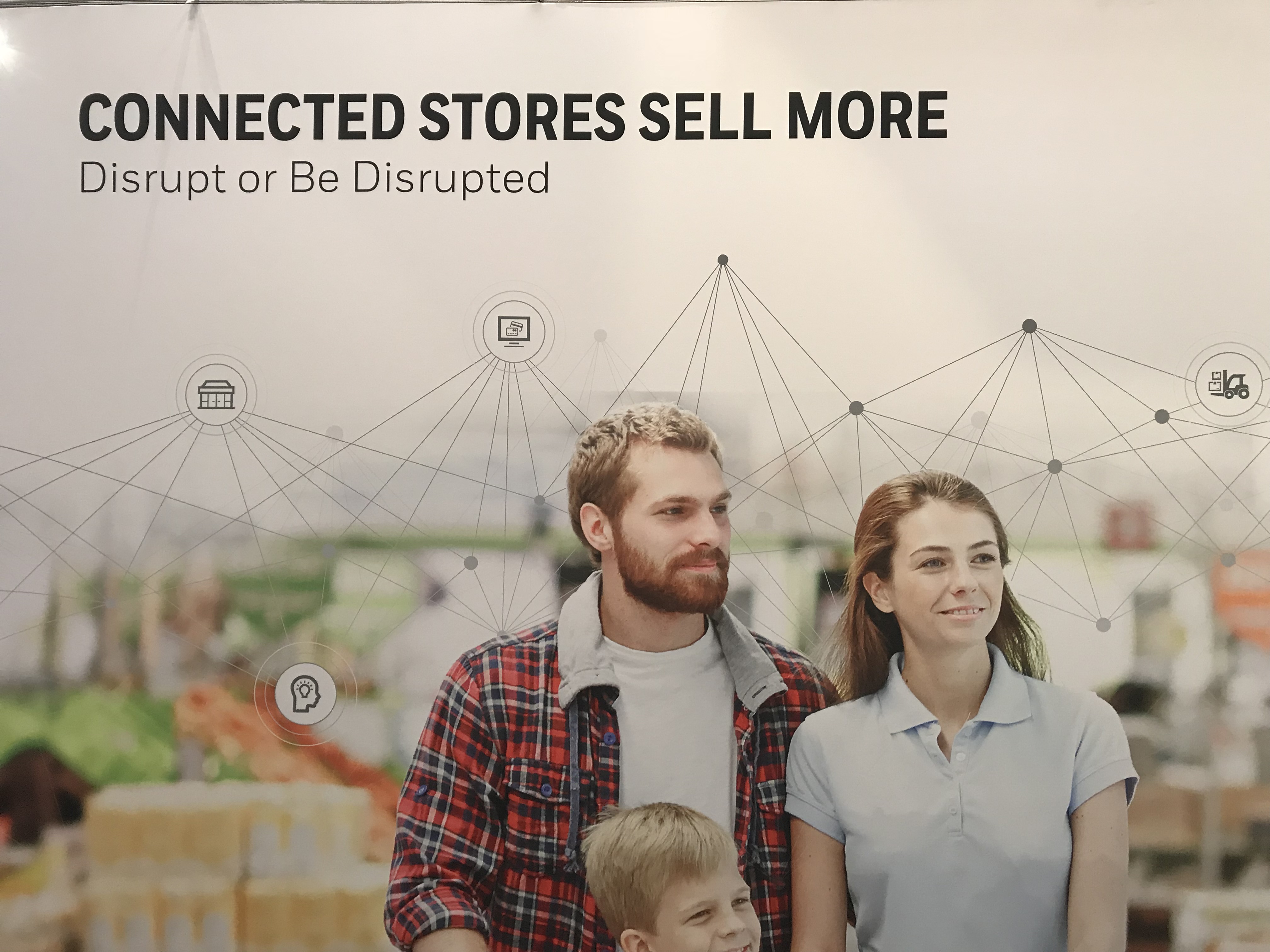
With the connected consumer able to instantly choose alternative products or brands, retailers need to integrate a greater number of data sets inside their stores. Welcome to the Internet-of-Things for Retail (IoT):
Every National Retail Federation (NRF) Big Show, Deloitte publishes updated research on the top 250 global retailers. This favorite annual retail report summarizes industry / economic global trends and dissects the shifting sands of the world's largest retailers. This post summarizes my favorite insights from the 2018 edition.
Transformative Change, Reinvigorated Commerce
The rules of retailing "are being rewritten in this time of transformative change. Innovation, collaboration, consolidation, integration, and automation will be required to reinvigorate commerce, profoundly impacting the way retailers do business now, and in the future."
The 2018 retail industry trends identified by Deloitte include:
This week finds me in Asia with stops in Shanghai, Bangkok, Hong Kong, and Tokyo. On many levels, Asia is the "below the surface" retail innovation laboratory.
In the "Retailing 2020" post I proposed that you "Look to China where 500 million people are already shopping on mobile phones to understand the future of retail. Digitally driven ultra-convenience, spontaneity, and social shopping trends are transforming all Chinese retail sectors including grocery." During this trip I had the opportunity to visit the Alibaba digital / physical hybrid Hema Supermarket in Shanghai.
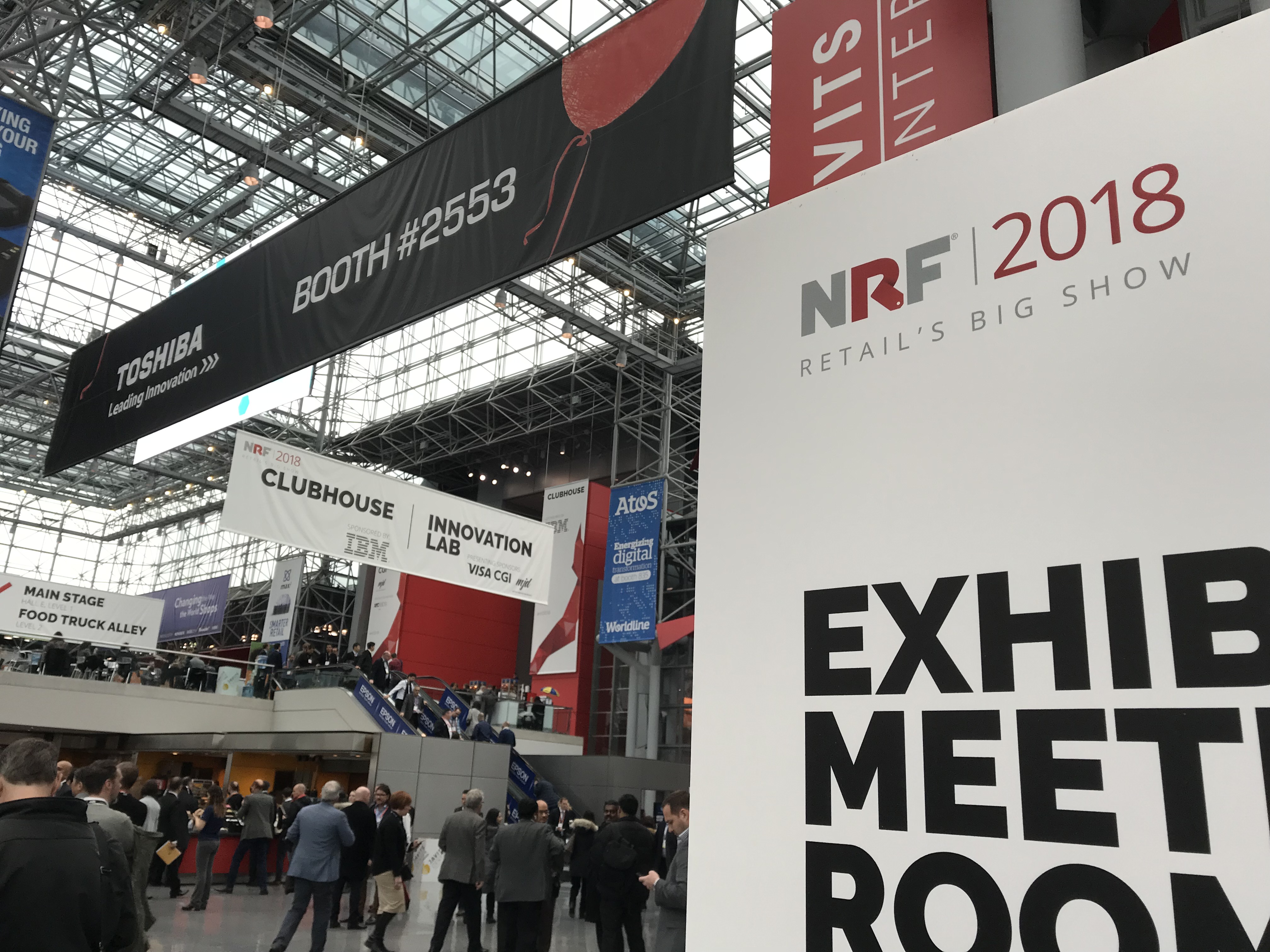
Building on the "NRF 2018: The Ten Quick Transformational Retail Trends", as promised here are my three below the surface trends of the New York Big Show that define the future of retail.
More than 37,000 retailers and industry partners from 90+ countries descended on New York for the NRF 2018 trade event the week of January 14, 2018. Because this was one of my favorite NRF's to date, a series of posts will follow.
An annual tradition is to walk the floor observing the technology themes, speaking to lots of retailers and industry friends, and creating my own personal list of the foundational ideas that are evolving the retail industry.
From an initial list of 20+ observations, following are my top 10 quick takeaway trends of NRF 2018.
At its roots, retail has always been a human covenant between a shopkeeper and a consumer. For much of the industry's history, the transactional interactions were highly personal. The shopkeeper welcomed the customer by their name and adapted the goods sold based on their preferences.
Present-day mobile devices connected to the Internet-of-Things (IoT) are appreciably digitally disrupting consumer commerce. By 2020, retail shopping, no longer a chore, will blur into your everyday life.
Continuing the journey to learn something new, we explore the Matterhorn in Zermatt Switzerland. Believed to be 50 to 60 million years old, this world-famous mountain was formed when the African crashed into the European tectonic plate.
The Matterhorn, in Italian known as Monte Cervino and French as Mont Cervin, is the 10th highest mountain in Switzerland at 14,692 feet (4,478 meters). The summit was first reached on July 14, 1865 by a team led by Edward Whymper. During the descent, four members of the team fell to their death. The Matterhorn is one of the most dangerous mountains to climb in the Alps with over 500 deaths to date.
The Matterhorn first appeared on the famous Toblerone chocolate in 1960. Look closely at the mountain on the packaging and you will see a bear. This is a reference to the city of Bern, where Theodor Tobler first invented the chocolate bar.
The town of Zermatt at the base of the Matterhorn bans cars to preserve the Alpine environment. The Theodul glacier which you can access from Zermatt is located at 3883 meters (12,740 feet) and offers the highest elevation ski area in Europe.
Being in nature is my go-to motivational escape to clear my mind and prioritize life priorities. Mountains are an amazing inspirational mental canvas because their massive scale makes everything around you, including your worries, feel small. The raw beauty and quiet wilderness provide perspective.
Find your special natural wonder. Enjoy its beauty. Remember that you are here for a short time, and what is around you will live on. Take chances. Setbacks are miniscule, compared to the possibilities of reaching your peak life nirvana. In the lyrics from the Sound of Music, "climb every mountain, ford every stream, follow every rainbow, 'till you find your dream"
Confidence in physical retail remains solid this year. More than 55% of survey respondents said they feel confident or very confident about brick-and-mortar performance in 2026, while only around 20% expressed concern. - From Place AI Read more
The Number 1 country continued lead reinforces a broader trend: countries with strong institutions, high trust, and robust social safety nets consistently rank highest in life satisfaction. - From Visual Capitalist


 This past week had the pleasure of visiting the new Zara Concept Store in Milan, Italy. Located near to the Galleria Vittorio Emanuele II, one of the

 This week finds me in Asia with stops in Shanghai, Bangkok, Hong Kong, and Tokyo. On many levels, Asia is the "below the surface" retail innovation laboratory.