Recently spent some time in Hong Kong and was fascinated by the vibrancy of the city, the intensity of the crowds, the retail shopping frenzy, and more importantly how 7 million people are concentrated in such a small space. The observations led to several questions on future technology themes and how they get interwoven into a metropolis such as Hong Kong:
Where is Hong Kong on the Internet of Things (IoT) "Smart City" journey?
Will the "Smart City" ever connect to the "Smart Retail Store"?
What are some of the potential breakthrough applications at the intersection of a smart city and smart store?
In the security industry, source tagging is the process of embedding an Electronic Article Surveillance (EAS) label into the primary packaging or into the product itself at the point of manufacturer to protect the item from shoplifting. This advancement in retail security emerged over 20 years ago and today it continues to experience substantial growth.
According to the latest Global Theft Barometer, 63% of worldwide retailers are planning to maintain or increase their focus on source tagging. Regionally, the percentage of retailers maintaining or increasing their focus on source tagging is as follows:
The Mobile Disruption of Retail is Just Getting Started
This week's post summarizes some of the latest mobile research, discusses retail adoption patterns, and provides data driven hints where additional mobile disruption will emerge.
Global Mobile Industry Trends
Summarizing key data from the Boston Consulting Group (BCG) study on the growth of the global internet economy:
Mobile internet penetration worldwide has doubled from 18% in 2011 to 36% today; by 2017, mobile access will exceed fixed-line access, with 54% penetration compared with 51%.
Some 60% of the world’s population is now covered by 3G connectivity. The EU has 90% 3G coverage. The U.S. has 96% 4G coverage. Even Mount Everest is online—with 4G connectivity at 17,000 feet.
A Key Contributor to the Retail "Internet of Things"
January's USA National Retail Federation (NRF) trade event, several industry studies, and major deployment progress with key retailers point to a brighter future for RFID.
NRF 2015
RFID is a key driver of delivering a successful onmichannel retail strategy. As defined by Kurt Salmon at NRF 2015, "for consumers, onmichannel means a seamless experience that offers the same products, engagement capabilities, and level of service regardless of how, where, and why they interact with retailers. Common goals include: Increase revenue per customer; Increase purchase frequency; Expand consumer base; Increase market share; and improve consumer experience / satisfaction."
In New York this past week, NRF 2015 set new records with 300 speakers and over 34,000 attendees from 85 countries. A much needed third day was added for visitors to tour the nearly 600 technology exhibitors. The retail show energy was high and time passed extremely quickly.
Following are the top three landmark topics from NRF 2015:
Retail ROI Super Saturday Delivers Pride to the Industry
For the first time, I had the pleasure of attending the Retail ROI (Retail Orphan Initiative) Super Saturday and the experience was both moving and insightful. One of the speakers was Katie Meyler, an "Ebola Fighter" featured in the Time Magazine Person of the Year" issue. She delivered a very powerful message on what it is like to step into "Hell on Earth"
From Part 1, summarizing the initial five 2015 top 10 retail technology predictions: the internet of things in retail; omnichannel wave continues; inventory visibility & RFID; retail innovation deliver; and the mobile consumer journey.
Completing the top 10 list, following are the next five top 10 retail technology predictions for 2015.
The Rebirth of the Physical Store
In 2015, the role of the physical store will continue to evolve as a destination to experience the value of the brand. Much like a performance in a theater, the store itself will be a showcase for consumers to engage and understand the value of their purchase.
Technology will be a key driver of the continued store evolution. A recent study, pointed to the following four areas for transformation:
2014 was another year of disruptive transitions for the global retail industry. Legacy brands in key western markets struggled to maintain their historical leadership.
New business models emerged including the biggest online retail IPO in history. Technology continues to be at the center of the ongoing retail transformation.
Following is Part I of the top 10 retail technology predictions for 2015. Part II will be posted at the same time next week.
According to the latest Global Retail Theft Barometer 2013-2014, retailers lost $128.51 billion to retail theft. As indicated in the previously published video summary, the cost of retail crime to honest consumers averages $403 in USA, 184 Euros in Europe, 845 in Hong Kong Dollars in Asia Pacific, and $143 in Latin America.
The highest stolen categories included make-up products, fashion accessories, power tools, mobile accessories, wine and spirits. After multiple years of positive growth, can personally confirm that retailers are increasing the level of source tagging of high shrink consumer items. For apparel that source protection is extending to millions of dual technology EAS / RFID hard tags. One secure carrier for both shrink protection and inventory visibility. Welcome to the Internet of Things.
Top 10 Global Retail Shrink Takeaways - 2014 vs 2013 Infographic
A Lowe's video this week on their first deployment of a robot in a retail store to enhance customer service sparked this blog post. The narrator stated that shopping in a retail store has not changed in the past 100 years. On multiple levels he is correct.
Summarizing the fundamental changes to the retail industry in the last 100 years:
The invention of the supermarket which started the journey to retail sub-segmentation and self-service.
The cash register which introduced data as an important element to measure the success of the business.
Mass production and the computer which allowed manufacturers to drive production efficiencies, better information on what is selling, and lowered overall cost of goods.
The bar code as the first item level visibility technology and the consequential explosion of retail chains in major industrialized countries.
Globalization which proved that consumer markets do not have national boundaries.
Attending the India Retail Forum (IRF) a few weeks ago, absorbing the vibrant energy of the attendees, and listening to the insightful presentations was a great reminder that these are exciting transformational times for the global retail industry. As summarized in the last post, driven by consumer technology, retail disruption will increase and will include a few surprises from emerging markets such as India.
The India Retail Opportunity
The retail sector in India has reached more than $500 billion in industry sales. Organized retail which today is at 8% penetration will grow at more than 20% during 2012-2020. The retail industry has contributed consistently 18%-20% to the country's GDP. Food and grocery is the largest category with the retail sector with 60% share, followed by apparel and telecom.
Continuing the journey to learn something new, we explore the Matterhorn in Zermatt Switzerland. Believed to be 50 to 60 million years old, this world-famous mountain was formed when the African crashed into the European tectonic plate.
The Matterhorn, in Italian known as Monte Cervino and French as Mont Cervin, is the 10th highest mountain in Switzerland at 14,692 feet (4,478 meters). The summit was first reached on July 14, 1865 by a team led by Edward Whymper. During the descent, four members of the team fell to their death. The Matterhorn is one of the most dangerous mountains to climb in the Alps with over 500 deaths to date.
The Matterhorn first appeared on the famous Toblerone chocolate in 1960. Look closely at the mountain on the packaging and you will see a bear. This is a reference to the city of Bern, where Theodor Tobler first invented the chocolate bar.
The town of Zermatt at the base of the Matterhorn bans cars to preserve the Alpine environment. The Theodul glacier which you can access from Zermatt is located at 3883 meters (12,740 feet) and offers the highest elevation ski area in Europe.
Being in nature is my go-to motivational escape to clear my mind and prioritize life priorities. Mountains are an amazing inspirational mental canvas because their massive scale makes everything around you, including your worries, feel small. The raw beauty and quiet wilderness provide perspective.
Find your special natural wonder. Enjoy its beauty. Remember that you are here for a short time, and what is around you will live on. Take chances. Setbacks are miniscule, compared to the possibilities of reaching your peak life nirvana. In the lyrics from the Sound of Music, "climb every mountain, ford every stream, follow every rainbow, 'till you find your dream"
Confidence in physical retail remains solid this year. More than 55% of survey respondents said they feel confident or very confident about brick-and-mortar performance in 2026, while only around 20% expressed concern. - From Place AI Read more
The Number 1 country continued lead reinforces a broader trend: countries with strong institutions, high trust, and robust social safety nets consistently rank highest in life satisfaction. - From Visual Capitalist


 importantly how 7 million people are concentrated in such a small space. The observations led to several questions on future technology themes and how they get interwoven into a metropolis such as Hong Kong:
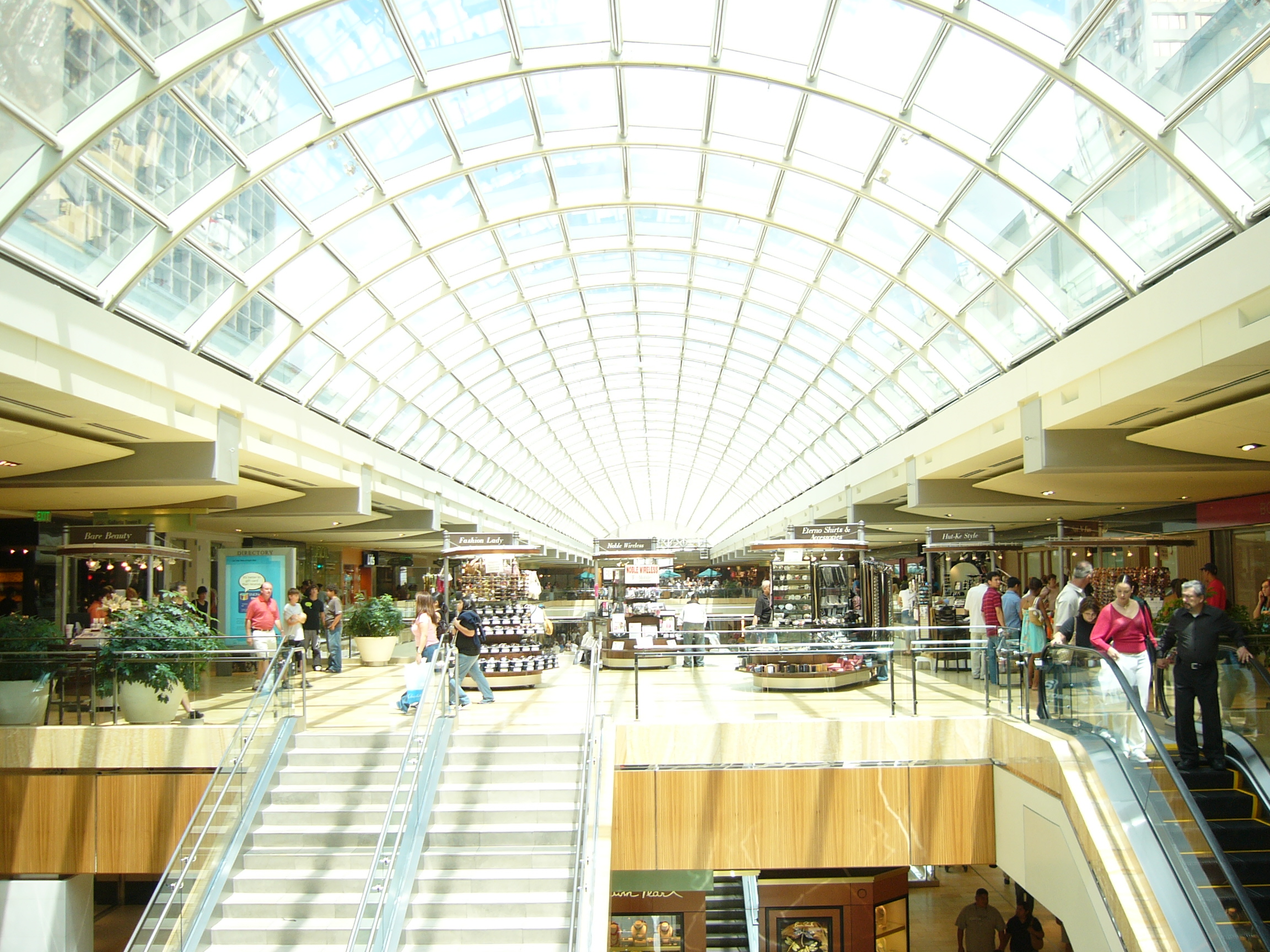 In the security industry, source tagging is the process of embedding an Electronic Article Surveillance (EAS) label into the primary packaging or into the product itself at the point of manufacturer to protect the item from shoplifting. This advancement in retail security emerged over 20 years ago and today it continues to experience substantial growth.
 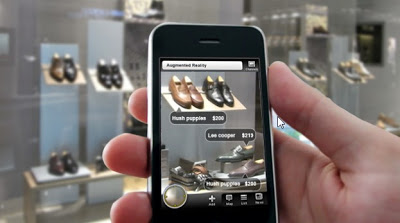 disruption will emerge.
  January's USA National Retail Federation (NRF) trade event, several industry studies, and major deployment progress with key retailers point to a brighter future for RFID.
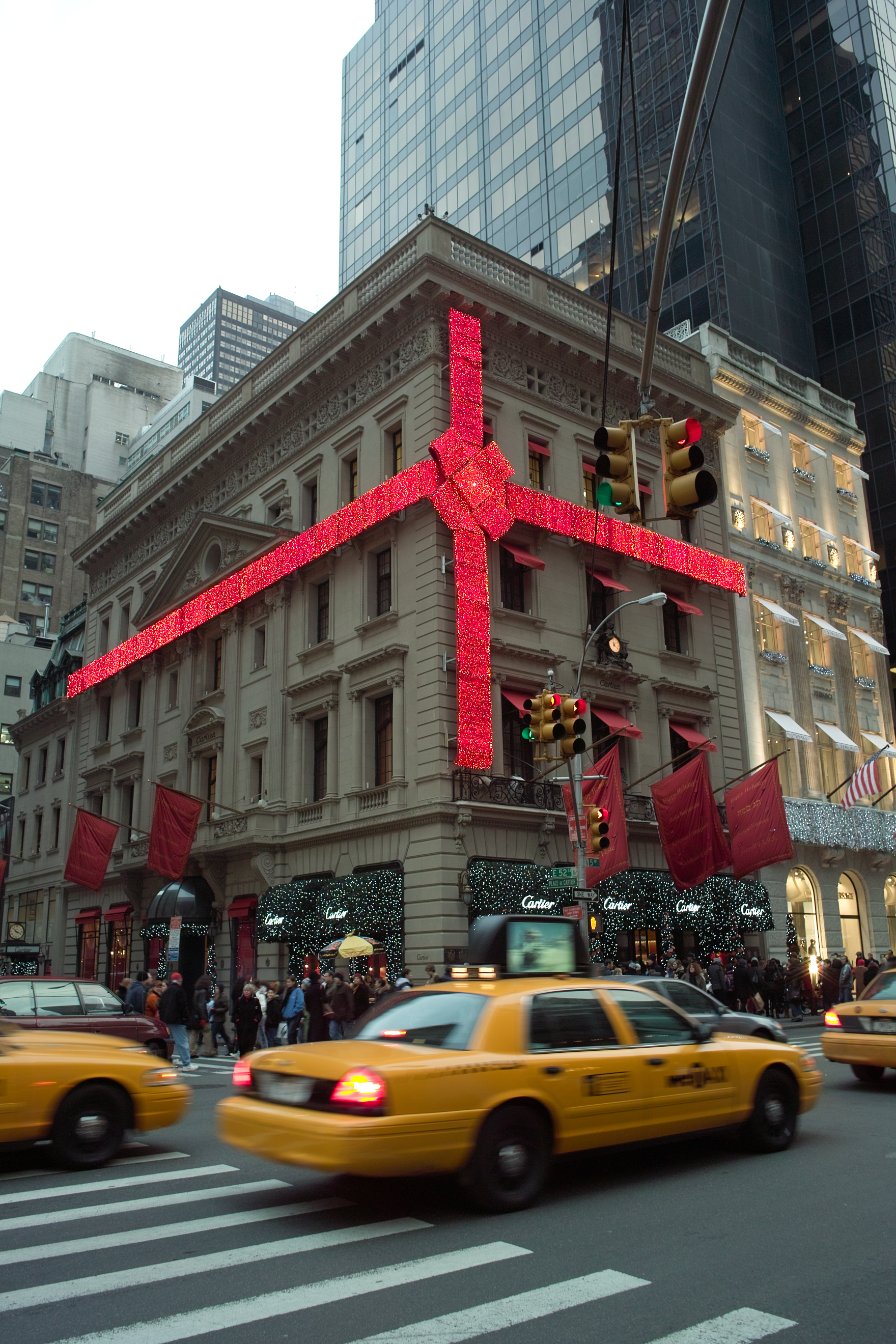 In New York this past week, NRF 2015 set new records with 300 speakers and over 34,000 attendees from 85 countries. A much needed third day was added for visitors to tour the nearly 600 technology exhibitors. The retail show energy was high and time passed extremely quickly.
  RFID; retail innovation deliver; and the mobile consumer journey.
 2014 was another year of disruptive transitions for the global retail industry. Legacy brands in key western markets struggled to maintain their historical leadership.
  narrator stated that shopping in a retail store has not changed in the past 100 years. On multiple levels he is correct.
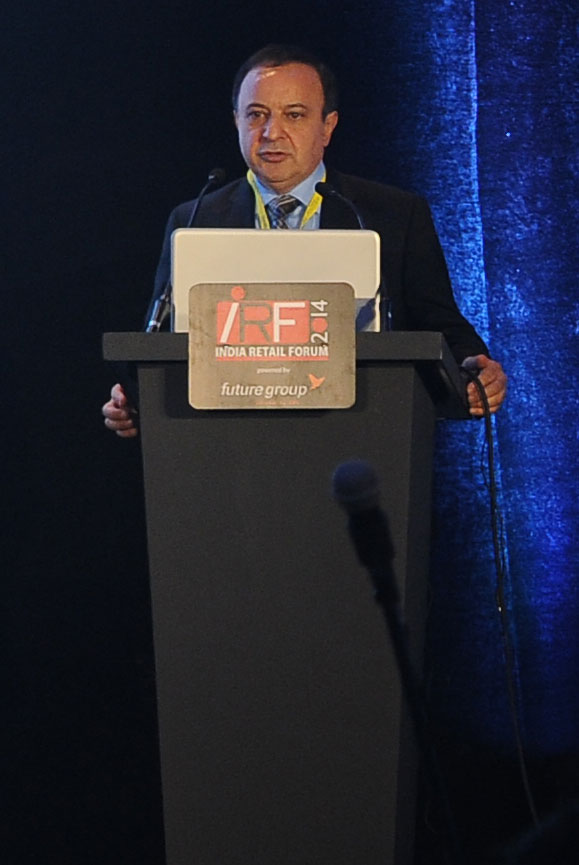 presentations was a great reminder that these are exciting transformational times for the global retail industry. As summarized in the last