From Part 1, summarizing the initial five 2015 top 10 retail technology predictions: the internet of things in retail; omnichannel wave continues; inventory visibility & RFID; retail innovation deliver; and the mobile consumer journey.
Completing the top 10 list, following are the next five top 10 retail technology predictions for 2015.
The Rebirth of the Physical Store
In 2015, the role of the physical store will continue to evolve as a destination to experience the value of the brand. Much like a performance in a theater, the store itself will be a showcase for consumers to engage and understand the value of their purchase.
Technology will be a key driver of the continued store evolution. A recent study, pointed to the following four areas for transformation:
2014 was another year of disruptive transitions for the global retail industry. Legacy brands in key western markets struggled to maintain their historical leadership.
New business models emerged including the biggest online retail IPO in history. Technology continues to be at the center of the ongoing retail transformation.
Following is Part I of the top 10 retail technology predictions for 2015. Part II will be posted at the same time next week.
The greatest gifts in life are not material, do not need batteries, and are not the latest gadgets. The greatest gifts in life and this holiday season are family, lasting friendships, a passion filled career, cultural sensitivity, and endless curiosity.
Family
Italians stereotypically are considered passionate, having close-knit families, and loving food and wine. Guilty as charged.
According to the latest Global Retail Theft Barometer 2013-2014, retailers lost $128.51 billion to retail theft. As indicated in the previously published video summary, the cost of retail crime to honest consumers averages $403 in USA, 184 Euros in Europe, 845 in Hong Kong Dollars in Asia Pacific, and $143 in Latin America.
The highest stolen categories included make-up products, fashion accessories, power tools, mobile accessories, wine and spirits. After multiple years of positive growth, can personally confirm that retailers are increasing the level of source tagging of high shrink consumer items. For apparel that source protection is extending to millions of dual technology EAS / RFID hard tags. One secure carrier for both shrink protection and inventory visibility. Welcome to the Internet of Things.
Top 10 Global Retail Shrink Takeaways - 2014 vs 2013 Infographic
Several milestone events over the last thirty days have crystalized in my mind the three critical skills that will guarantee your future success.
Listen
Technology is leading to an explosion of ideas on which to build a solid business. Ninety percent of the world's data was generated in the last two years and this trend is accelerating. Every minute of the day, YouTube users upload 72 hours of new video, Facebook users share 2.5 million pieces of content, Twitter users Tweet 277,000 times, and email users send 204 million messages.
The information noise around us is endless and it will increase. Critical to progress is identifying the most important listening posts. In all careers, success starts and ends by closely listening to the customer.
A Lowe's video this week on their first deployment of a robot in a retail store to enhance customer service sparked this blog post. The narrator stated that shopping in a retail store has not changed in the past 100 years. On multiple levels he is correct.
Summarizing the fundamental changes to the retail industry in the last 100 years:
The invention of the supermarket which started the journey to retail sub-segmentation and self-service.
The cash register which introduced data as an important element to measure the success of the business.
Mass production and the computer which allowed manufacturers to drive production efficiencies, better information on what is selling, and lowered overall cost of goods.
The bar code as the first item level visibility technology and the consequential explosion of retail chains in major industrialized countries.
Globalization which proved that consumer markets do not have national boundaries.
Attending the India Retail Forum (IRF) a few weeks ago, absorbing the vibrant energy of the attendees, and listening to the insightful presentations was a great reminder that these are exciting transformational times for the global retail industry. As summarized in the last post, driven by consumer technology, retail disruption will increase and will include a few surprises from emerging markets such as India.
The India Retail Opportunity
The retail sector in India has reached more than $500 billion in industry sales. Organized retail which today is at 8% penetration will grow at more than 20% during 2012-2020. The retail industry has contributed consistently 18%-20% to the country's GDP. Food and grocery is the largest category with the retail sector with 60% share, followed by apparel and telecom.
Last week had a chance to speak to a large audience at the India Retail Forum in Mumbai. Chairing an industry panel discussion, my contributions included an opening presentation to a session titled "8th WONDER IN RETAIL - FUTURE PARADIGMS AND TECHNOLOGIES THAT HAVE THE POWER TO CARRY OUT DISRUPTIVE INNOVATIONS". Summarizing key insights from the opening presentation:
4th Megatrend Reshaping Global Retail
Post World War II, retail has been re-shaped by four megatrends. Technology has been the driver of retail power shifts through each of four megatrends. The fourth retail megatrend had its origins in 1992 when IBM released the first smartphone. It started transforming retail with Apple's smartphone around 2010.
Complementing smartphones are emerging deployments of smaller / smarter store sensors that will lead to customized, higher value, improved shopping experiences. All four megatrends have been about the availability of data and its effective utilization. The fourth megatrend places retail power in the hands of the consumer.
A recent Forbes article highlighted the following key takeaways from Tesla's latest quarterly results which beat expectations:
Battery Breakthrough
Major improvements are expected in batteries, including a pure lithium anode that might triple battery capacity in the future. The new Gigafactory batteries will have 10%-15% better capacity due to improved chemistry. The new factory will also reduce costs by at least 30%, allowing Tesla to deliver the much less expensive $35,000 Model 3 by 2017. CEO Alan Musk expects that within the next 10 years electric cars will reach cost parity with combustion engines.
Car Production
Car production continues to increase and Tesla expects to deliver 35,000 cars during the current financial year. Tesla's goal is to reach a run rate of 100,000 cars per year by the end of 2015. Next spring, Tesla will release the Model X crossover SUV. Musk expects selling as many units of the new model as the current Model S. The CEO noted that they already had a lot of orders for the Model X, despite buyers having not seen the vehicle.
"It was the best of times, it was the worst of times, it was the age of wisdom, it was the age of foolishness, it was the epoch of belief, it was the epoch of incredulity, it was the season of Light, it was the season of Darkness, it was the spring of hope, it was the winter of despair, we had everything before us, we had nothing before us, we were all going direct to Heaven, we were all going direct the other way - in short, the period was so far like the present period, that some of its noisiest authorities insisted on its being received, for good or for evil, in the superlative degree of comparison only." - Charles Dickens
Over the last couple of weeks have been contemplating the subject of creating a lasting family legacy. When does one start thinking about creating a legacy? Is legacy simply the wealth possessions you pass on to your children? Why do leaders ponder their post existence legacy and even try to shape it? Should you aspire for a personal, family, or business legacy?
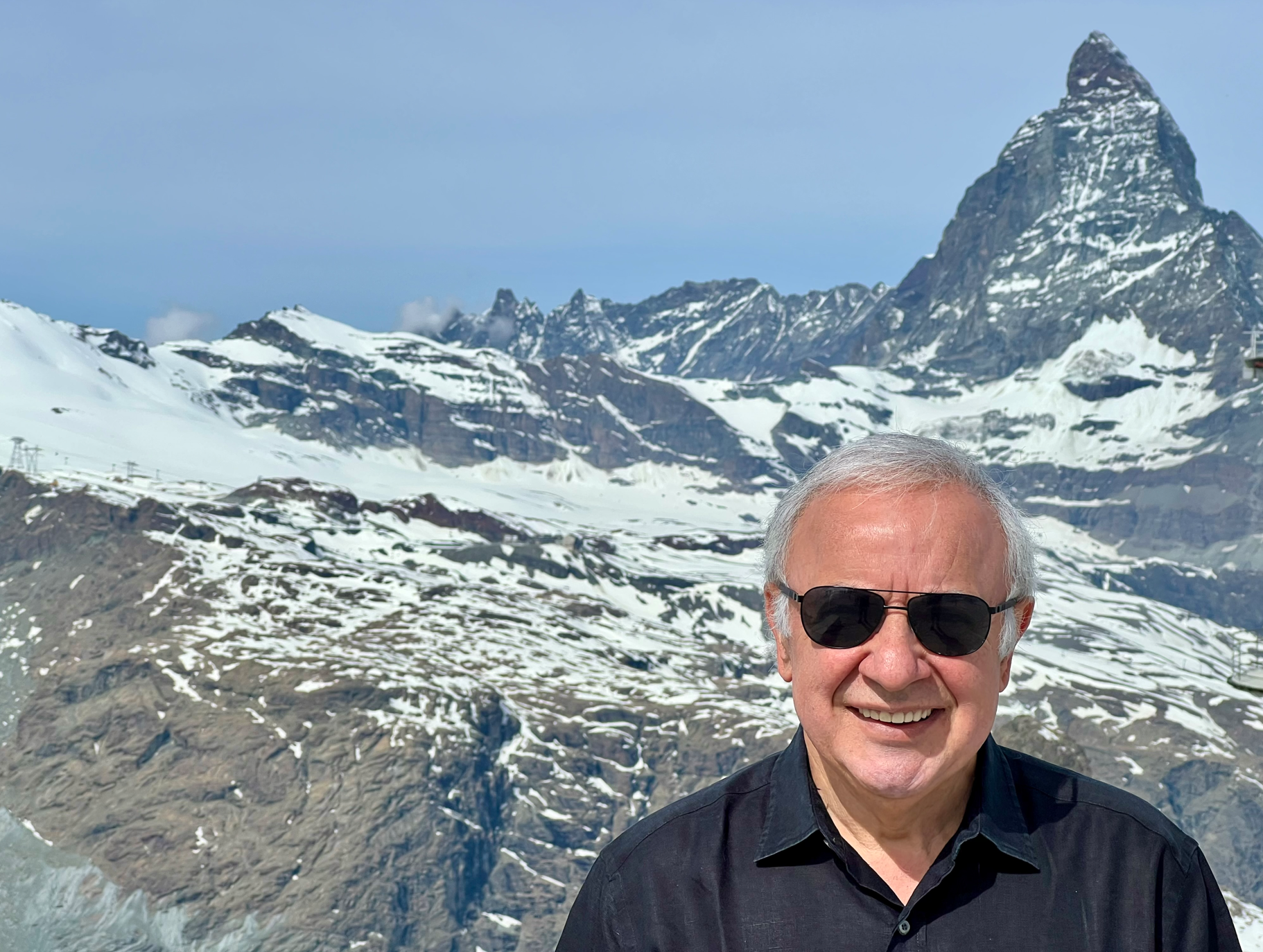
Continuing the journey to learn something new, we explore the Matterhorn in Zermatt Switzerland. Believed to be 50 to 60 million years old, this world-famous mountain was formed when the African crashed into the European tectonic plate.
The Matterhorn, in Italian known as Monte Cervino and French as Mont Cervin, is the 10th highest mountain in Switzerland at 14,692 feet (4,478 meters). The summit was first reached on July 14, 1865 by a team led by Edward Whymper. During the descent, four members of the team fell to their death. The Matterhorn is one of the most dangerous mountains to climb in the Alps with over 500 deaths to date.
The Matterhorn first appeared on the famous Toblerone chocolate in 1960. Look closely at the mountain on the packaging and you will see a bear. This is a reference to the city of Bern, where Theodor Tobler first invented the chocolate bar.
The town of Zermatt at the base of the Matterhorn bans cars to preserve the Alpine environment. The Theodul glacier which you can access from Zermatt is located at 3883 meters (12,740 feet) and offers the highest elevation ski area in Europe.
Being in nature is my go-to motivational escape to clear my mind and prioritize life priorities. Mountains are an amazing inspirational mental canvas because their massive scale makes everything around you, including your worries, feel small. The raw beauty and quiet wilderness provide perspective.
Find your special natural wonder. Enjoy its beauty. Remember that you are here for a short time, and what is around you will live on. Take chances. Setbacks are miniscule, compared to the possibilities of reaching your peak life nirvana. In the lyrics from the Sound of Music, "climb every mountain, ford every stream, follow every rainbow, 'till you find your dream"
Confidence in physical retail remains solid this year. More than 55% of survey respondents said they feel confident or very confident about brick-and-mortar performance in 2026, while only around 20% expressed concern. - From Place AI Read more
The Number 1 country continued lead reinforces a broader trend: countries with strong institutions, high trust, and robust social safety nets consistently rank highest in life satisfaction. - From Visual Capitalist


 RFID; retail innovation deliver; and the mobile consumer journey.
 2014 was another year of disruptive transitions for the global retail industry. Legacy brands in key western markets struggled to maintain their historical leadership.

 narrator stated that shopping in a retail store has not changed in the past 100 years. On multiple levels he is correct.
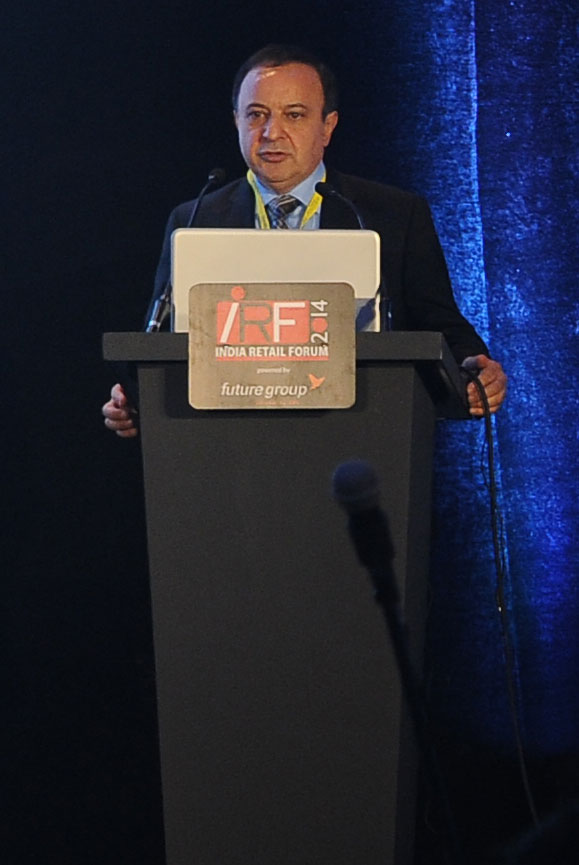 presentations was a great reminder that these are exciting transformational times for the global retail industry. As summarized in the last
 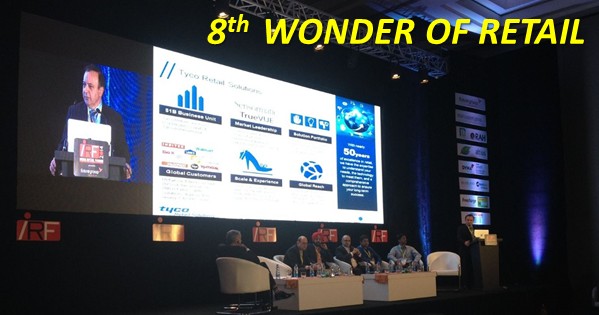 contributions included an opening presentation to a session titled "8th WONDER IN RETAIL - FUTURE PARADIGMS AND TECHNOLOGIES THAT HAVE THE POWER TO CARRY OUT DISRUPTIVE INNOVATIONS". Summarizing key insights from the opening presentation:
 Battery Breakthrough
 it was the epoch of incredulity, it was the season of Light, it was the season of Darkness, it was the spring of hope, it was the winter of despair, we had everything before us, we had nothing before us, we were all going direct to Heaven, we were all going direct the other way - in short, the period was so far like the present period, that some of its noisiest authorities insisted on its being received, for good or for evil, in the superlative degree of comparison only." - Charles Dickens