The first weekend of November happened to be in my Italian hometown during the annual tradition of memorializing fallen soldiers and civilians from past wars. November 4th, which is now celebrated on the first Sunday of the month, has dual significance for the Italians. It is known as the Holiday of National Unity and also the day to recognize the Armed Forces. Historically, this date celebrates the Italian victory over the Austria-Hungary Empire in 1918, unifying and ending World War I for the country.
Early that Sunday morning, the sound of the marching "Bersaglieri" military band piqued my interest. On this day did not expect to become a witness of emotional traditions celebrating the past which very quickly translated into new lessons for the future.
Product or service differentiation has always been a strategy adopted by the retail industry towards finding that winning formula for growth. Differentiation can take many forms and include price, product quality, store decor, targeted consumer audience, and the business model itself. Two recent examples of successful retail differentiation:
Zara and Fast Fashion
Forbes Magazine recently recapped the successful Zara business model. A team of designers and product managers in Spain oversee design, sourcing and production of specific apparel categories. These individuals monitor closely the sales process of each apparel collection -- from the time the merchandise reaches the stores to the real time customer response.
-- How Piggly Wiggly Built Today's Self-Checkout Legacy --
"An invention acts rather like a trigger, because, once it's there, it changes the way things are, and that change stimulates the production of another invention, which in turn causes change, and so on. Why those inventions happened between 6,000 years ago and now, where they happened, and when they happened , is a fascinating blend of accident, genius, craftsmanship, geography, religion, money, ambition..." (1) -- James Burke
Fortune magazine recently published the 100 fastest growing companies. (1) Analyzing this year's list:
Revenues for the top 100 global fastest growing companies totaled over $627 Billion, up from $390 Billion a year ago. Apple, which was part of this group, had revenues of $169 Billion and profits of $39.7 Billion.
"Emotion is contagious" (1) is a quote from the book "The Tipping Point" by Malcolm Gladwell. On the book cover, the author added the subtitle "How Little Things Can Make a Big Difference". The premise of the book is that social epidemics have a tipping point, a moment where they go from negligible unseen trends to the next intense wave of popularity.
As one of my favorite books, the concept of a "tipping point" has been a key driver of my life, both personally and professionally. In business, truly lasting success is built on incremental relationship improvements that over time increase the level of contagious emotion. At its most basic element, business is about people relationships.
Earlier this year Frost & Sullivan published a presentation titled "Bricks & Clicks: Next Generation Retailing" which highlighted the following retail industry trends for the year 2025:
Nearly 20% of retail will happen online. In countries like the UK and USA online retail will be a quarter of the total.
Everything from the product to the in-store experience will be customized and personalized as retailers increasingly offer "real time customization tools" to their customers.
Multi-line retailers will reduce store size by 15%-20% and in larger formats create interactive customer experiences.
Manufacturer retailers will open more "connected flagship stores" that are designed and created to support the brand image. The aim will be to make the brand stores a destination rather than a retailing zone.
The gap between an order and a delivery will decrease as new services such as "same day shipping" become more affordable.
"We are witnessing the birth of a new breed of shopper. They float seamlessly across mobile, online, and real-world platforms as they travel up and down the purchase path and in doing so, exert tremendous influence over the ways that brands may interact with them and their peer groups. The ways in which they consume information, discover goods and make purchases has forced retailers to contemplate a new mix of transactional, behavioral, and social behaviors to remain competitive." (1) – Pier Fawkes, PSFK
"Your time is limited, so don't waste it living someone else's life. Don't be trapped by dogma - which is living with the results of other people's thinking. Don't let the noise of others' opinions drown out your inner voice. And most important, have the courage to follow your heart and intuition." - Steve Jobs
According to a just published study by the Center for Economic Performance at the London School of Economics, human happiness peaks at age 23, hits its low point at
"James Nesmeth...was an average golfer consistently shooting in the mid-90's, until he developed a unique way of improving his golf game. It came while he spent seven years in North Vietnam as a prisoner of war. During those tortuous seven years, Nesmeth lived in a solitary confinement....To keep from losing all hope, he realized that he needed to do something to occupy his mind. So every day he played 18 holes of golf in his mind. He imagined everything in vivid detail...the country club...the smell of the fresh cut grass...the grip of the clubs...practice his swing many times until he perfected it....Upon returning to the actual golf course, he found that he had shaved 20 strokes off his game! By visualizing a perfect game every day for seven years he literally brought his score down to a 74." (1)
Around the world RFID continues to be piloted in hundreds of retailers. By far the vast majority of the activity is centered in the specialty soft lines verticals. A handful of major retailers primarily in Europe and North America are post the pilot phase and in full deployment. Retail RFID industry adoption had multiple starts and it is finally coalescing around item level visibility as the foundation to transformational onmichannel retailing. For all the activities and discussions, much more needs to be done to speed up the adoption of this high potential retail technology.
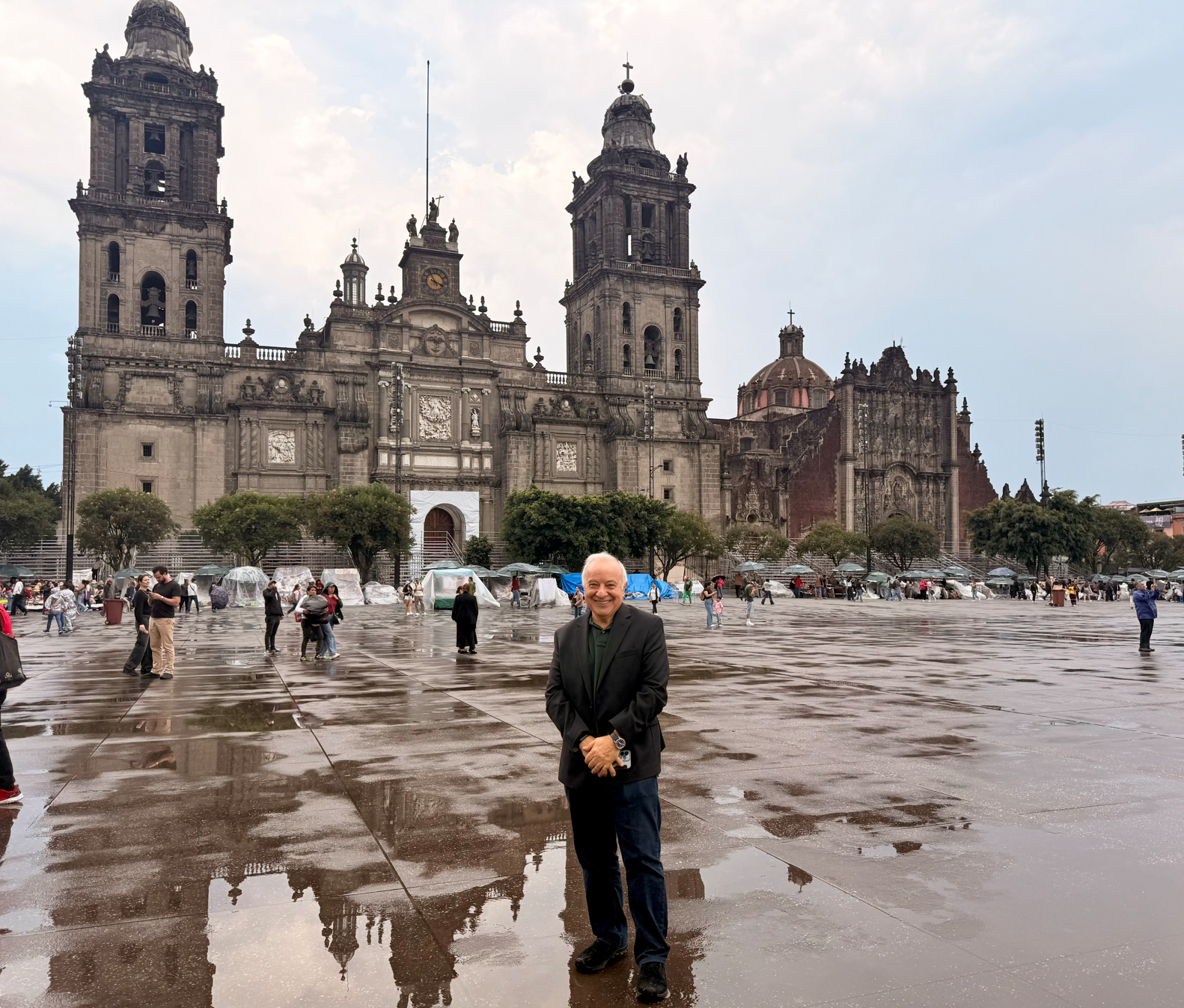
Continuing our journey to learn something new, we travel to Mexico City. The capital of Mexico is built on the sinking bed of a former Aztec lake and ranks as a global hub of art, history, and unique culture.
The Mexica (Aztecs) founded their capital, Tenochtitlan, in 1325 on a small island in Lake Texcoco. Because the city sits on soft, drained lakebed clay, it sinks by roughly 10 to 50 centimeters every year.
Most are surprised that Mexico City sits at an elevation of 2,240 meters (7,350 feet) above sea level in the Valley of Mexico. It has over 150 officially recognized museums, placing it second in the world behind London.
Greater Mexico City has over 21 million people and ranks 7th as the largest metropolitan area in the world. As I can personally attest, it ranks as the most congested city in the world for traffic.
Earlier this year, I had the pleasure to speak at a Retail Forum in Mexico City in an old hacienda. More than 70 retailers heard my latest keynote edition of the “AI Disruptive Future of Retail.”
The passion from the audience in sharing ideas for the continuous improvement of retail inspired this post and the opening quote. As Google AI summarizes, the opening quote means your aspirations require matching character, integrity, and deliberate effort to become real. It is a call to align your daily actions and values with the future you wish to create.
Life is too short. Turning dreams into reality takes hard work. Reaching your nirvana can start at any age. The sooner you start to step out of your comfort zones and take more measured risk, the faster you will reach your nirvana of happy life. We all deserve our dreams. Wake up now and make it a reality.
Built with research partner Sensormatic Solutions and fielded across 1,421 retailers in 12 countries, this free study from IHL Group gives loss prevention, asset protection, store operations, and supply chain leaders a connected scorecard for where loss dollars actually go, which vectors are rising, and where budget and technology spend begin to change outcomes. IHL Group retains full editorial independence over findings, methodology, and conclusions. Source: IHL Services and Sensormatic Read more
What makes a city one of the best places in the world to live? High incomes, affordable housing, safety, and access to recreation all play a role. Is your city on this list? Source: Visual Capitalist


 and civilians from past wars. November 4th, which is now celebrated on the first Sunday of the month, has dual significance for the Italians. It is known as the Holiday of National Unity and also the day to recognize the Armed Forces. Historically, this date celebrates the Italian victory over the Austria-Hungary Empire in 1918, unifying and ending World War I for the country.
 growth. Differentiation can take many forms and include price, product quality, store decor, targeted consumer audience, and the business model itself. Two recent examples of successful retail differentiation:
 production of another invention, which in turn causes change, and so on. Why those inventions happened between 6,000 years ago and now, where they happened, and when they happened , is a fascinating blend of accident, genius, craftsmanship, geography, religion, money, ambition..." (1) -- James Burke
 subtitle "How Little Things Can Make a Big Difference". The premise of the book is that social epidemics have a tipping point, a moment where they go from negligible unseen trends to the next intense wave of popularity.
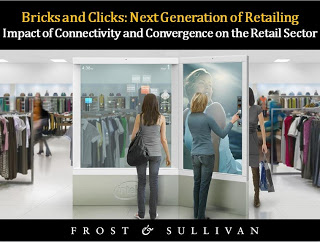 following retail industry trends for the year 2025:
 travel up and down the purchase path and in doing so, exert tremendous influence over the ways that brands may interact with them and their peer groups. The ways in which they consume information, discover goods and make purchases has forced retailers to contemplate a new mix of transactional, behavioral, and social behaviors to remain competitive." (1) – Pier Fawkes, PSFK
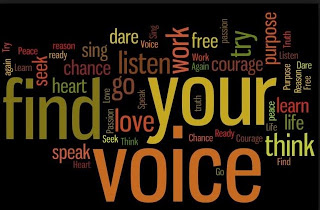 people's thinking. Don't let the noise of others' opinions drown out your inner voice. And most important, have the courage to follow your heart and intuition." -
 game. It came while he spent seven years in North Vietnam as a prisoner of war. During those tortuous seven years, Nesmeth lived in a solitary confinement....To keep from losing all hope, he realized that he needed to do something to occupy his mind. So every day he played 18 holes of golf in his mind. He imagined everything in vivid detail...the country club...the smell of the fresh cut grass...the grip of the clubs...practice his swing many times until he perfected it....Upon returning to the actual golf course, he found that he had shaved 20 strokes off his game! By visualizing a perfect game every day for seven years he literally brought his score down to a 74." (1)
 soft lines verticals. A handful of major retailers primarily in Europe and North America are post the pilot phase and in full deployment. Retail RFID industry adoption had multiple starts and it is finally coalescing around item level visibility as the foundation to transformational onmichannel retailing. For all the activities and discussions, much more needs to be done to speed up the adoption of this high potential retail technology.