

October in retail means one thing above all: the holiday planning season is already well underway, even though actual shopping is still six weeks out. Every year around this time, I get some version of the same question. What is actually different this time?
The honest answer is that the calendar traditions have barely moved. Black Friday is still Black Friday. Cyber Monday still anchors the first week of December shopping. Thanksgiving is still when the industry pauses to take stock before the sprint begins. What has changed, and changed meaningfully, is what shoppers are doing inside that calendar. That gap, between the fixed tradition and the shifting behavior inside it, is the real story heading into the 2026 season.
The Calendar Hasn't Moved. The Shopper Has.
Retailers still plan around the same fixed dates they always have. Shoppers no longer wait for them. According to Narvar and eTail's joint research on the 2026 holiday season, 58% of shoppers plan to start their holiday shopping earlier than they did last year. Yet 77% of retailers have no plans to incentivize that earlier behavior with early promotions or deals.
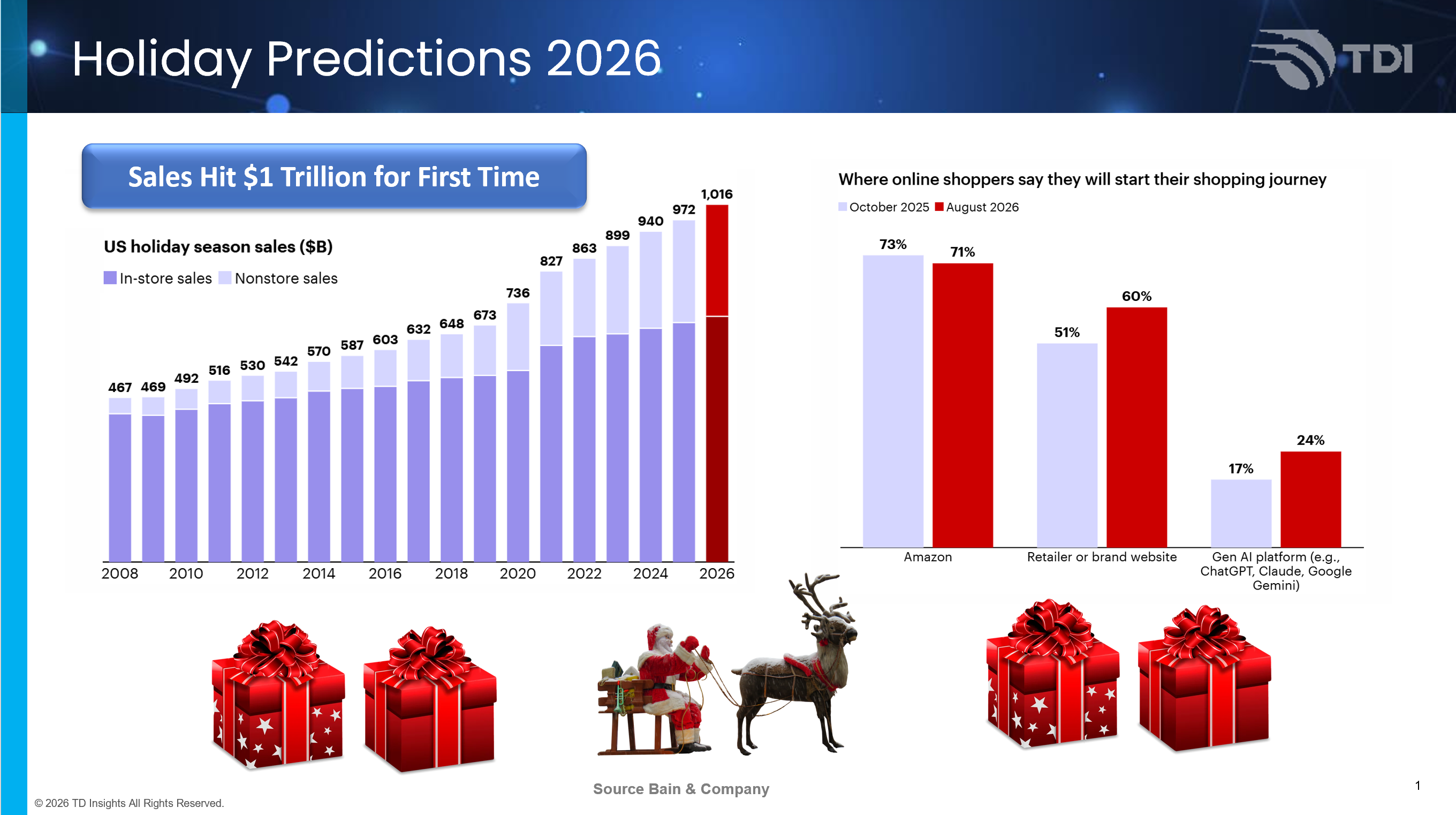
That gap, more than half of shoppers moving early and more than three-quarters of retailers standing still, is in my view the single biggest planning risk of the season. The tradition of waiting for Black Friday to open the wallet is fading. The retailers who notice first will capture demand the rest of the industry assumes is still six weeks away.
Stores Are Still the Tradition, Even With AI in the Room
Despite more than a decade of predictions that the physical store would fade into irrelevance, Salesforce's 2026 holiday outlook puts in-store shopping at 77% channel preference, still the largest share of any single channel heading into the season. AI-driven chat agents are projected to drive 20% of holiday ecommerce traffic this year, which is real, growing, and worth watching closely.
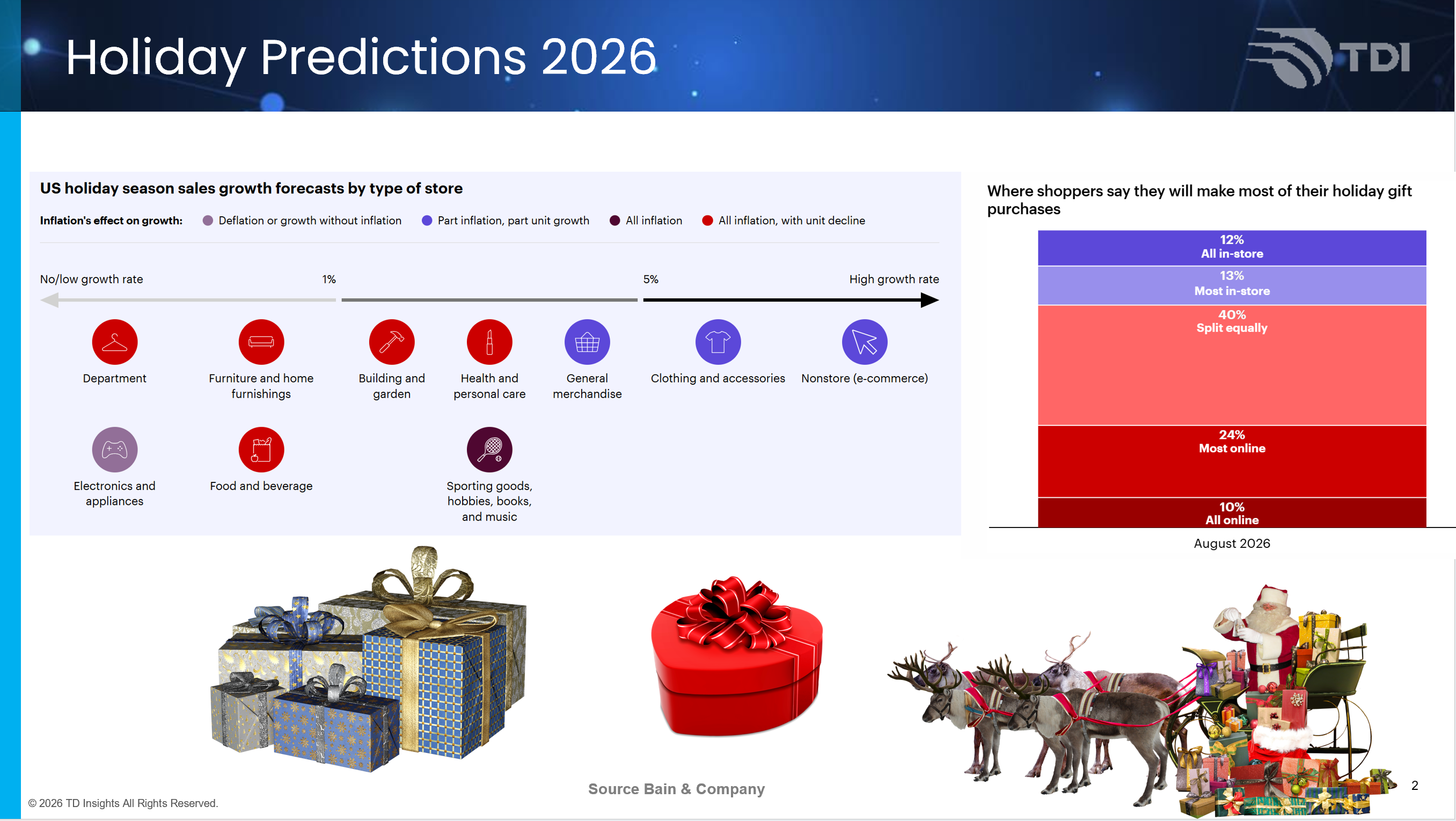
But it is additive to the store, not a replacement for it. The store remains the tradition. AI is becoming part of how people prepare for the trip to it, not a reason to skip the trip altogether.
AI Is Quietly Becoming Part of the Ritual
Here is where the data gets genuinely interesting. The same Narvar and eTail research found that 65% of consumers plan to use AI for some part of their holiday shopping this year, whether that is comparing prices, finding deals, or getting gift ideas. Only 8% of retailers describe themselves as very confident using AI to improve that shopping experience.
A gap of 65% versus 8% is the widest confidence gap I have seen in any retail technology category in recent memory. Shoppers have already adopted the behavior. Retailers are still catching up to it, and the window to close that gap before the season peaks is closing fast.
AI is becoming a traffic and conversion channel, not just a chatbot novelty. Salesforce predicts AI chat agents will drive 20% of holiday ecommerce traffic, and 38% of all holiday dollars will be "Hybrid Sales," meaning digital or AI-assisted research tied to a physical purchase. Practical Ecommerce separately forecasts AI-referred shoppers converting 25%+ better than non-AI channels.
Returns Have Become Their Own Kind of Tradition
Fully agree with the growing body of research treating returns policy as a pre-purchase decision, not a post-purchase courtesy. The Narvar and eTail study found that 56% of consumers have delayed or outright avoided a purchase because they were unsure how a refund would work. 46% actively avoid retailers that charge return fees. Yet only 45% of retailers currently offer, or are even piloting, instant refunds.
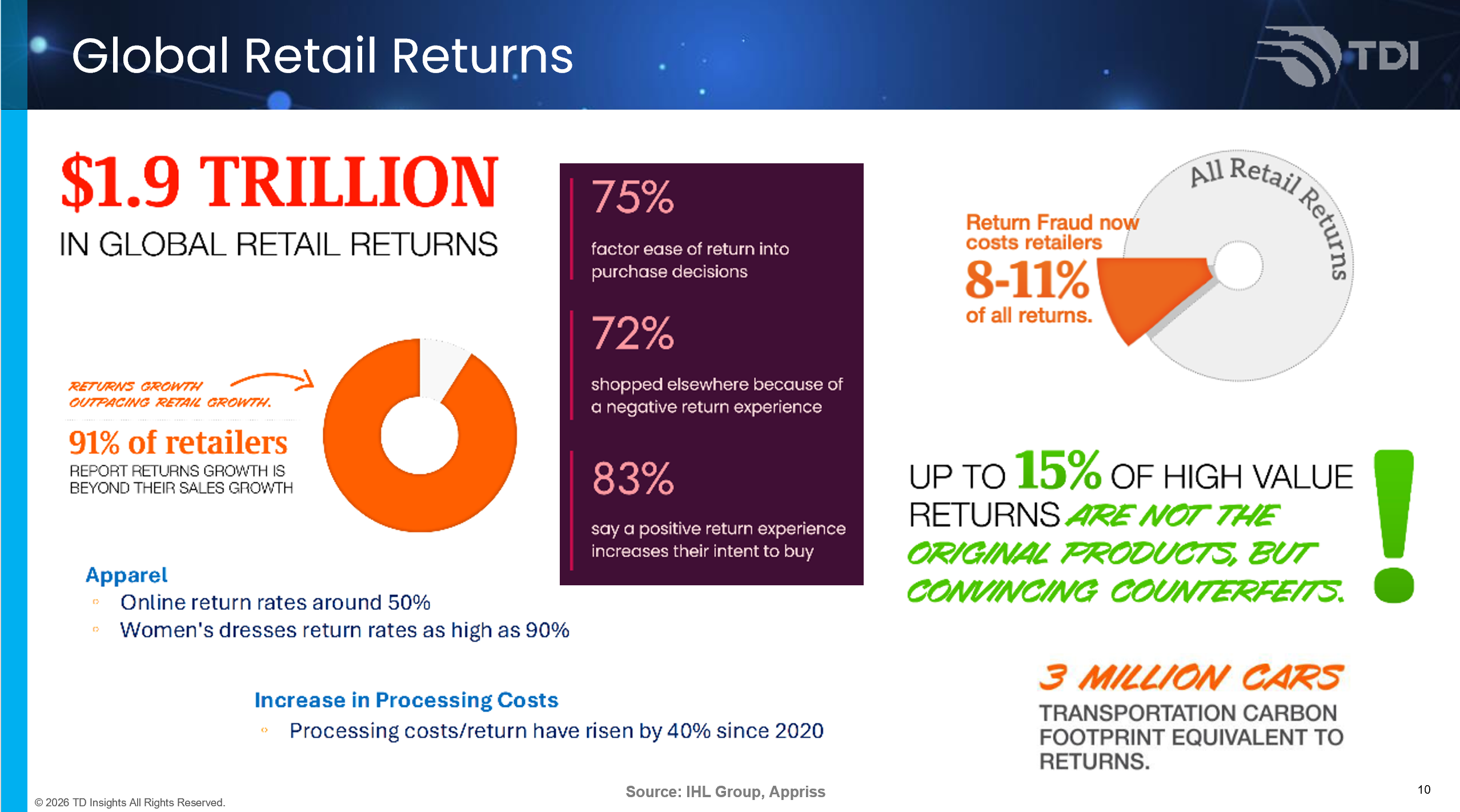
Returns used to be an operations line item, something to manage after the sale. Now they are a conversion lever, something shoppers weigh before the sale happens at all. Most retailers have not caught up to that shift yet.
The K-Shaped Season Ahead
Salesforce's research also points to a K-shaped holiday economy this year, with 35% of all shoppers trading down to cheaper alternatives regardless of their income bracket. Free shipping is the one lever that matters equally across every income tier, high earners and budget-conscious shoppers alike, which tells you something about where loyalty actually lives this season.
Consumer sentiment backs this up. McKinsey's ConsumerWise team found that, as of late summer, 34% of consumers describe themselves as optimistic heading into the holidays, 41% are mixed, and 25% are pessimistic. Rising prices and inflation sit far ahead of every other concern at 53%, more than double the next closest worry. Shoppers are not necessarily pulling back. They are being more deliberate about where the money goes.
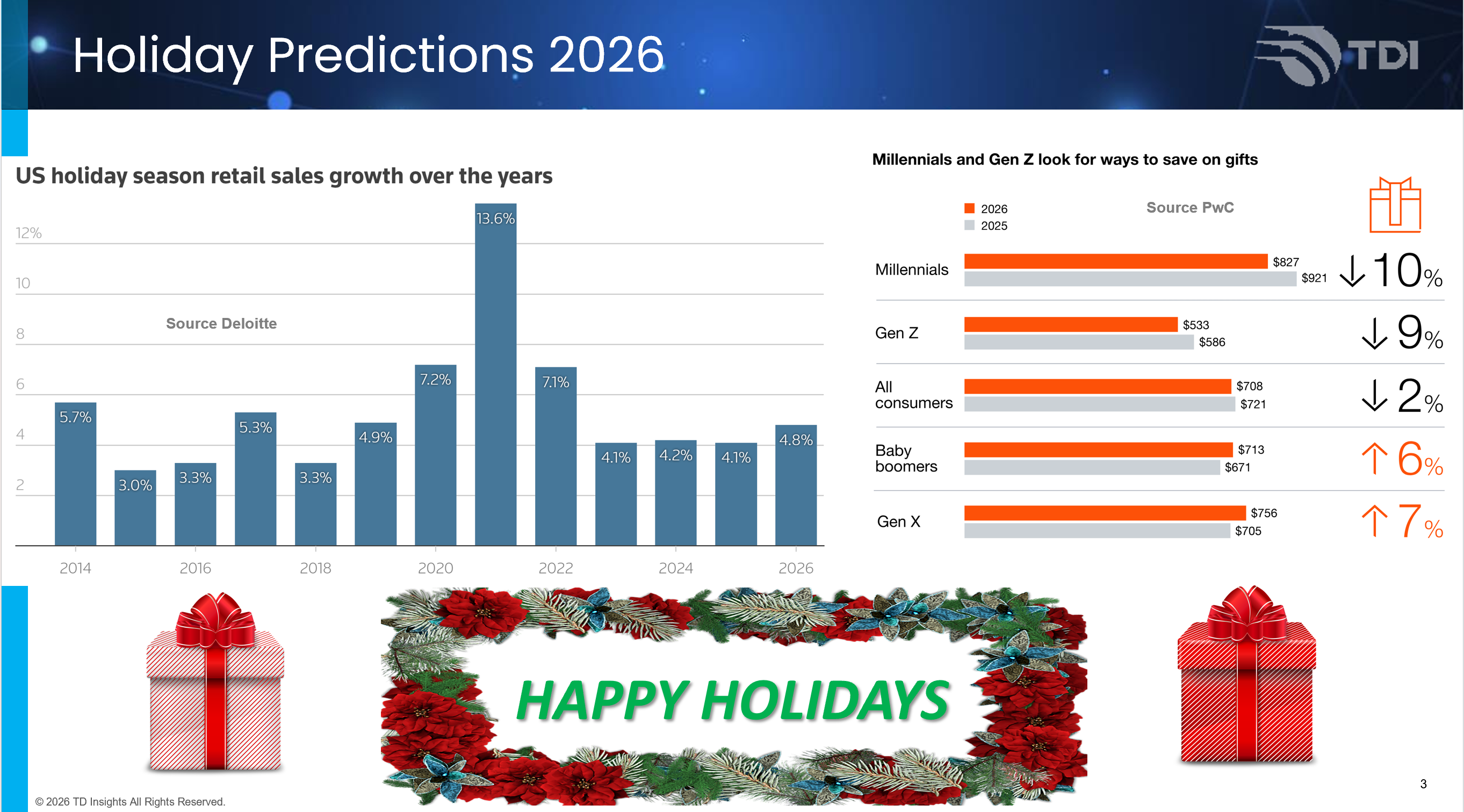
None of this means the holiday season is unrecognizable from years past. The traditions are intact. Thanksgiving still kicks it off. The store is still where most of the revenue lands. What has changed is the behavior sitting inside those traditions: earlier starts, AI-assisted research, returns-driven hesitation, and a shopper who is more deliberate with every dollar.
Retailers still planning for the shopper of 2019 are going to be surprised more than once this season. Happy early holidays to everyone in retail, and here is to another season of the data proving us all a little bit wrong, in the best possible way.